
The retail landscape is undergoing a profound transformation, driven by the integration of cutting-edge technologies into everyday shopping experiences. One of the most revolutionary innovations reshaping the fashion industry is virtual try on clothing technology. This breakthrough allows consumers to visualize how garments will look and fit without physically trying them on, providing a seamless blend of convenience, personalization, and engagement. As online shopping becomes increasingly dominant, virtual try-on solutions are poised to redefine the way we shop for apparel, creating new opportunities for retailers and customers alike.
The Rise of Virtual Try-On Clothing Technology
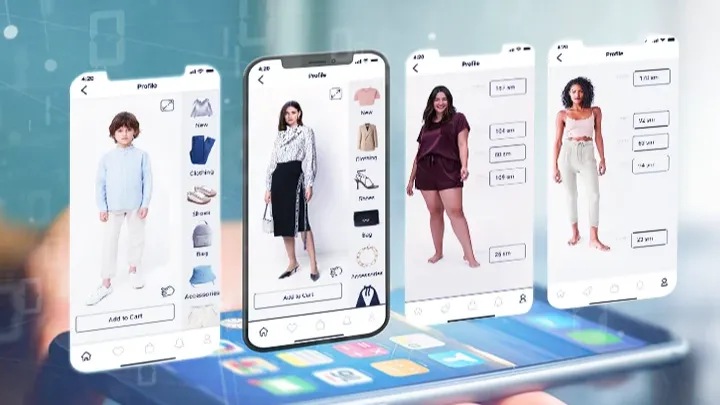
The concept of virtual try-on clothing is not entirely new, but advancements in augmented reality (AR), artificial intelligence (AI), and 3D modeling have made it far more sophisticated and accessible. This technology enables shoppers to see realistic representations of clothing on their own bodies using smartphone apps, web interfaces, or in-store kiosks. By mapping a user’s body dimensions and overlaying digital garments in real-time, consumers gain a clear sense of how items will look, how they fit, and how they complement their personal style.
Retailers are increasingly adopting virtual try-on clothing systems to enhance the customer experience. By allowing users to experiment with multiple outfits, colors, and styles without physical interaction, brands can increase engagement, reduce return rates, and foster a more enjoyable shopping journey. In an era where convenience is paramount, this technology bridges the gap between online browsing and in-store fitting.
How Virtual Try-On Clothing Works
Virtual try-on clothing relies on a combination of technologies that work together to create a realistic and interactive experience. At its core, augmented reality overlays digital clothing onto a live image or video of the user. AI algorithms analyze body measurements, posture, and movements to ensure that garments adjust naturally to the individual’s shape. Advanced 3D modeling ensures textures, colors, and folds mimic real-world clothing behavior, enhancing authenticity.
Some platforms also use machine learning to recommend sizes based on past purchases, body type, and style preferences. This personalized approach reduces the uncertainty often associated with online shopping, making it easier for consumers to select items that fit well and suit their tastes. By integrating these technologies, virtual try-on clothing creates an immersive experience that closely resembles the physical act of trying on clothes in a store.
Benefits for Consumers
One of the most significant advantages of virtual try-on clothing is convenience. Shoppers no longer need to spend time visiting multiple stores or waiting for delivery to see how an item fits. They can quickly explore various styles and combinations from the comfort of their home. This is particularly valuable in a fast-paced world where time is a precious commodity.
Another benefit is personalization. Virtual try-on systems can analyze user preferences, suggesting outfits that align with their style and body shape. This not only enhances satisfaction but also encourages experimentation with fashion choices that users might not have considered otherwise. For instance, a consumer might discover a color or cut that complements them perfectly, boosting confidence and enjoyment in their shopping experience.
Additionally, virtual try-on technology helps reduce returns. Many online purchases are returned due to size or fit issues, causing frustration for consumers and financial strain for retailers. By providing a realistic preview of how clothing will fit and look, this technology minimizes the risk of purchasing errors, benefiting both parties.
Impact on the Fashion Industry
The adoption of virtual try-on clothing is reshaping the fashion industry in multiple ways. Retailers are leveraging this technology to attract tech-savvy consumers and differentiate themselves in a crowded marketplace. Brands can showcase their entire catalog virtually, eliminating inventory limitations and enabling customers to explore more options without overwhelming physical space constraints.
Furthermore, virtual try-on solutions facilitate more sustainable shopping habits. By allowing consumers to make more informed choices, the technology reduces unnecessary purchases and returns, contributing to a smaller environmental footprint. Some brands even use virtual fittings to create custom or made-to-order garments, minimizing waste and promoting a more sustainable approach to fashion.
The rise of virtual influencers and digital fashion shows has further emphasized the importance of this technology. Fashion houses can now showcase virtual collections that users can try on digitally, blending creativity with consumer interaction in unprecedented ways. This convergence of technology and fashion is opening new avenues for marketing, engagement, and revenue generation.
Challenges and Considerations
While virtual try-on clothing technology offers remarkable benefits, there are challenges that developers and retailers must address. Achieving highly accurate size and fit predictions remains complex, particularly for garments with intricate designs or flexible fabrics. Ensuring that the virtual representation matches the real-world experience requires sophisticated algorithms and continuous updates.
Privacy is another critical concern. Many virtual try-on systems rely on detailed body measurements and images, raising questions about data security and consent. Retailers must implement robust safeguards to protect user information while maintaining a seamless and engaging experience.
Additionally, accessibility remains a consideration. Not all consumers have access to high-end smartphones or devices capable of supporting AR-based try-on features. Expanding accessibility and creating user-friendly interfaces will be crucial for widespread adoption.
The Future of Virtual Try-On Clothing
Looking ahead, virtual try-on clothing technology is expected to become even more immersive and interactive. Advancements in AI, AR, and VR will enable more realistic simulations, capturing subtle movements, textures, and lighting effects to replicate the in-store experience more accurately. Integration with social media platforms will allow users to share virtual outfits, receive feedback, and engage with communities, transforming shopping into a more social and collaborative activity.
The future may also see hybrid experiences where virtual try-on is combined with in-store technology. Smart mirrors in stores can allow shoppers to try on multiple styles digitally before selecting physical garments, streamlining the shopping process and reducing congestion. As the technology evolves, the distinction between online and offline shopping will continue to blur, offering consumers a seamless, personalized, and highly interactive fashion experience.
Conclusion
Virtual try-on clothing technology is fundamentally transforming how we shop for apparel. By merging convenience, personalization, and interactivity, it offers a compelling alternative to traditional shopping methods. Consumers benefit from enhanced confidence in their purchases, a more engaging experience, and fewer returns, while retailers gain opportunities to innovate, expand offerings, and promote sustainable practices. As technology continues to advance, virtual try-on is set to become a standard feature in fashion retail, redefining the shopping journey and shaping the future of the industry.