

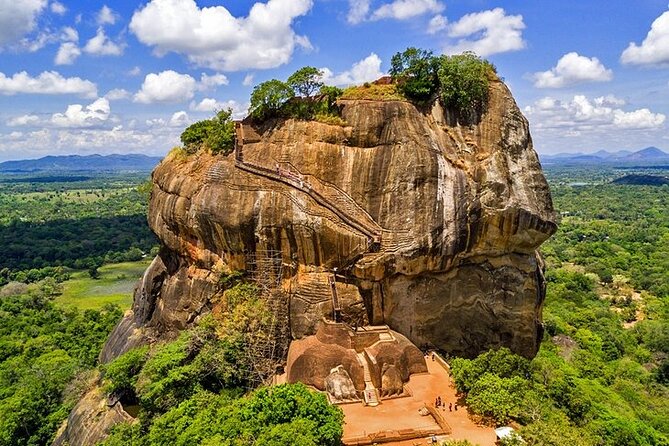
Sigiriya, often referred to as the “Lion Rock,” is one of Sri Lanka’s most iconic historical and archaeological sites. Its massive rock fortress, ancient frescoes, and surrounding gardens draw travelers from around the world. Planning a trip to this UNESCO World Heritage site requires careful consideration, especially when it comes to timing. Choosing the best season for your Sigiriya tour can make the difference between an unforgettable adventure and a challenging visit.
Understanding Sigiriya’s Climate
Before planning your Sigiriya tour, it is essential to understand the region’s climate. Sigiriya is located in the central northern part of Sri Lanka, which experiences a tropical climate. The area has two main monsoon seasons: the southwest monsoon, which affects the southwest of the country from May to September, and the northeast monsoon, which brings rainfall to the north and east from December to February. Sigiriya lies in a region influenced more by the northeast monsoon, meaning rainfall is heaviest during these months.
Temperatures in Sigiriya are generally warm year-round, ranging from 25°C to 32°C (77°F to 90°F). High humidity can make daytime explorations more tiring, particularly during the rainy season. Knowing this allows travelers to plan their Sigiriya tour during periods of more comfortable weather.
Ideal Months for a Sigiriya Tour
The best time to visit Sigiriya is during the dry season, from March to September. During these months, the weather is generally sunny and dry, making it easier to climb the rock and explore the surrounding gardens and ancient ruins. The dry season offers optimal visibility for photography and sightseeing, as heavy rain does not obscure the breathtaking views from the summit.
March to May is particularly appealing for travelers who enjoy warmer temperatures and fewer crowds. The landscape is lush after the brief rains in February, and the surrounding countryside is vibrant with greenery. However, temperatures can rise significantly in April and May, so it’s advisable to schedule early morning visits to avoid the midday heat.
June to September is another excellent window for a Sigiriya tour. While temperatures may be slightly cooler compared to March through May, this period coincides with a more stable dry season in the central region. Crowds are moderate, and visitors can enjoy exploring the rock fortress and the nearby Pidurangala Rock, which offers a stunning alternative viewpoint of Sigiriya.
Months to Exercise Caution
Travelers planning a Sigiriya tour should be cautious during the monsoon season, especially from December to February. The northeast monsoon can bring heavy rain, making climbing the rock slippery and dangerous. Additionally, some of the nearby attractions, such as the water gardens and surrounding wildlife areas, may be less accessible or enjoyable due to flooding or muddy conditions.
October and November are transitional months, which can be unpredictable. Rainfall may occur sporadically, but it is not as intense as during the monsoon. Travelers visiting during these months should monitor the weather forecast and plan for flexibility in their itinerary.
Timing Your Visit During the Day
Apart from choosing the right month, timing your Sigiriya tour during the day can significantly impact your experience. The climb to the top of Sigiriya Rock typically takes 1.5 to 2 hours, depending on your pace and how often you stop to admire the surroundings.
Early morning visits, between 6:00 AM and 9:00 AM, are ideal. Temperatures are cooler, and the soft morning light enhances photography opportunities. Additionally, early arrivals allow travelers to enjoy the site before the crowds build up, creating a more peaceful experience.
Late afternoon visits, around 3:00 PM to 5:00 PM, are also favorable for those who prefer to avoid the midday sun. The angle of the sunlight creates dramatic shadows on the rock and ruins, offering excellent visual appeal. However, it’s crucial to ensure enough time to descend safely before sunset.
Preparing for a Sigiriya Tour
A well-planned Sigiriya tour requires preparation beyond selecting the best time. Comfortable clothing, sturdy shoes, and sun protection are essential. Even during the dry season, the climb can be physically demanding, and the tropical sun can be intense. Carrying water and light snacks is recommended to stay hydrated and energized during the ascent.
Hiring a local guide can enhance your Sigiriya tour experience. Guides provide historical context, explain the significance of the frescoes and water gardens, and offer insights into the architectural marvels of the ancient fortress. Their knowledge can transform a simple visit into a memorable and educational journey.
Exploring Nearby Attractions
Planning your Sigiriya tour also provides an opportunity to explore nearby attractions. The ancient city of Polonnaruwa, Minneriya National Park, and the village of Dambulla with its cave temples are all within a reasonable distance. Visiting these sites during the same trip allows travelers to immerse themselves fully in Sri Lanka’s cultural and natural heritage.
For nature enthusiasts, the best time to visit Minneriya National Park is during the dry season, coinciding with the period when large herds of elephants gather around the water sources. Combining this wildlife experience with your Sigiriya tour creates a diverse and enriching itinerary.
Advantages of Off-Peak Travel
Traveling to Sigiriya during off-peak times, such as March or September, offers several advantages. Fewer tourists mean less congestion at the entrance and on the climb, allowing for a more intimate exploration of the site. Accommodation prices are also generally lower, making it a more budget-friendly option. Additionally, local vendors and guides often provide more personalized attention when the area is less crowded.
Conclusion
Choosing the right time for a Sigiriya tour is crucial to ensuring an enjoyable and memorable experience. The dry months from March to September offer optimal conditions for climbing, photography, and exploring the surrounding attractions. Early morning or late afternoon visits enhance comfort and provide the best lighting for capturing the rock’s beauty. Preparing adequately and considering nearby attractions can turn your Sigiriya tour into a comprehensive cultural and natural adventure.
By understanding the climate, peak and off-peak periods, and timing your visit wisely, travelers can maximize their enjoyment and create lasting memories at one of Sri Lanka’s most remarkable historical landmarks. Whether it’s your first visit or a return trip, careful planning ensures that your Sigiriya tour is not just a sightseeing trip but a truly enriching experience.