

Masonry is one of the oldest and most durable building methods, known for its strength and longevity. However, even the most well-built structures can deteriorate over time due to environmental factors, natural wear and tear, or poor workmanship. Ignoring the early warning signs of masonry damage can lead to severe structural issues and expensive repairs. This article outlines the critical signs that indicate you need immediate masonry repair, helping you protect the integrity of your home or building.
Cracks in the Masonry
Vertical and Horizontal Cracks
Cracks are one of the most common and noticeable signs that your masonry needs attention. While small hairline cracks can be normal as buildings settle, large vertical or horizontal cracks are often red flags. Horizontal cracks can indicate excessive pressure on the wall, possibly due to soil movement or foundation issues, while vertical cracks may suggest uneven settling or structural instability.
Stair-Step Cracks in Brick Walls
If you observe stair-step cracks along mortar lines in brick walls, this is a clear sign of foundation movement. These cracks follow the lines between bricks, forming a pattern that resembles a staircase. This is a serious structural issue that typically requires immediate masonry repair and possibly foundation stabilization.
Bowing or Bulging Walls
A wall that appears to be bowing inward or bulging outward is a clear indication of compromised structural integrity. Bowing walls often result from moisture penetration, which weakens the mortar and allows bricks to shift. In some cases, pressure from the soil surrounding the foundation can push the wall inward. This condition not only affects the wall’s strength but can also pose a serious safety risk, making urgent repair necessary.
Disintegrating or Missing Mortar
Crumbling Mortar Joints
Mortar acts as the glue that holds masonry units together. Over time, exposure to the elements can cause mortar to weaken and crumble, especially if it wasn’t mixed or applied correctly. If you notice that mortar is powdery or falling out from between the bricks, it’s time for masonry repair before the structure becomes unstable.
Repointing Needs
Repointing is the process of removing damaged mortar and replacing it with new mortar. Failing to repoint damaged joints can lead to more extensive damage, such as brick displacement and moisture infiltration, both of which can compromise the entire wall system.
Water Damage and Efflorescence
White Powdery Stains
Efflorescence is a white, powdery deposit that appears on masonry surfaces. It is caused by water seeping through the wall and bringing salts to the surface. While efflorescence itself is not structurally harmful, it is a warning sign that water is penetrating your masonry. Continuous exposure to moisture can degrade both the mortar and masonry units, requiring immediate masonry repair.
Interior Dampness or Mold
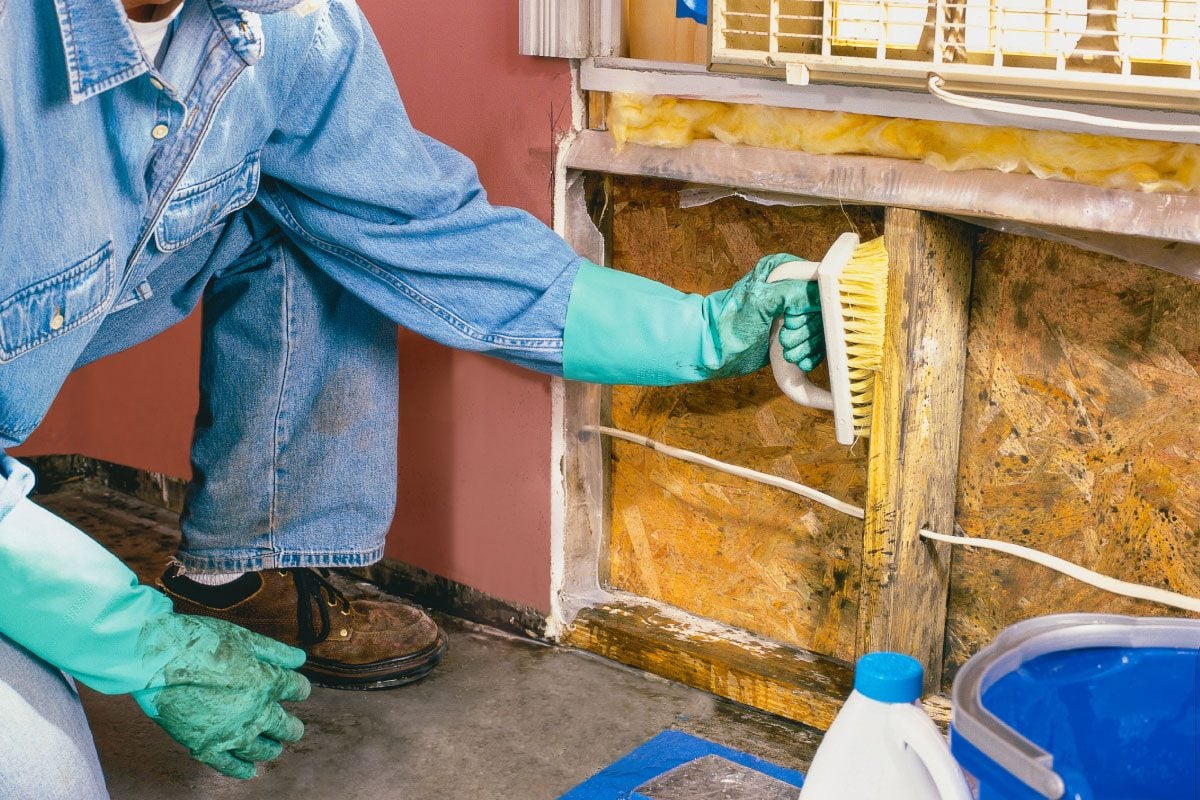
Moisture intrusion from damaged masonry can affect the interior of a structure, leading to mold growth, damp walls, and poor indoor air quality. If you notice musty odors, bubbling paint, or discoloration on interior walls, it may be due to failing masonry work outside that’s allowing water to seep through.
Leaning Chimneys
A leaning chimney is one of the most urgent signs that masonry repair is needed. This issue can stem from foundation problems, erosion of the soil beneath the chimney, or deterioration of the mortar. Left unchecked, a leaning chimney can collapse, posing a danger to people and property nearby. In many cases, this requires not just repair but also the installation of helical piers or other structural supports.
Loose or Falling Bricks
Bricks that are loose or have fallen from a structure are a clear sign of significant deterioration. This condition usually occurs after prolonged exposure to moisture, freeze-thaw cycles, or neglected maintenance. Missing bricks compromise the structural integrity of a wall and should be addressed immediately through professional masonry repair.
Rust Stains and Metal Corrosion
In many masonry structures, metal components such as wall ties or rebar are embedded within the walls. When these metal components begin to rust, the rust can expand and crack the surrounding masonry. Rust stains running down a brick wall or visible corrosion are signs that metal elements are failing and that urgent repair is needed to prevent collapse.
Interior Structural Issues
Cracks in Interior Walls or Ceilings
If you notice cracks in interior walls or ceilings that align with masonry walls, it might indicate shifting or settling of the masonry structure. These internal signs should not be ignored, as they can signal deeper foundation or masonry problems that require professional inspection and immediate repair.
Uneven Floors or Doors That Stick
Uneven floors or doors and windows that no longer open and close properly can indicate foundation movement, which often affects masonry walls. These issues can be tied back to damaged or shifting masonry and should be evaluated by a contractor experienced in masonry repair.
Spalling Bricks
Spalling occurs when water enters bricks, freezes, and causes the surface to break off. This can lead to flaking, chipping, and eventual disintegration of the brick. If left untreated, spalling can spread and compromise large areas of a wall. Spalled bricks must be replaced and the cause of water infiltration addressed to prevent further damage.
Why Prompt Masonry Repair Matters
Prevents Further Structural Damage
Ignoring the signs of damage often leads to more serious and costly repairs. Prompt action helps preserve the integrity of your building and prevents minor issues from turning into major problems.
Protects Property Value
Buildings with visible signs of masonry deterioration can lose value quickly. Whether you’re planning to sell or just want to maintain your investment, regular maintenance and timely masonry repair are essential.
Enhances Safety
Failing masonry poses safety risks to both occupants and passersby. Falling bricks, leaning chimneys, and collapsing walls can cause serious injuries or worse. Early repairs ensure the safety of everyone around the structure.
Improves Energy Efficiency
Cracks and holes in masonry allow air and moisture to pass through the walls, increasing your energy bills and reducing comfort. Repairing damaged masonry helps maintain a better thermal envelope around your home or building.
Conclusion
Your building speaks through visible signs—cracks, moisture stains, leaning walls, and crumbling mortar are not just cosmetic concerns. These are warnings that immediate masonry repair may be needed to avoid serious consequences. Regular inspections and proactive maintenance are key to preserving your structure’s longevity, value, and safety. If you’ve noticed any of these red flags, don’t delay. Contact a qualified masonry contractor to assess the damage and recommend appropriate repairs before the situation worsens.