

In the culinary world, the quality of a chef’s tools can define the outcome of a dish. Among these tools, the kitchen knife holds a place of unrivaled importance. A sharp, well-balanced knife isn’t just about cutting—it’s about precision, efficiency, and safety. For chefs and kitchen professionals, understanding how to choose the right kitchen knife supplier is as essential as mastering the perfect cut. This article provides valuable insights every chef should know when sourcing knives from reliable suppliers.
The Role of a Kitchen Knife Supplier
A kitchen knife supplier does more than just sell blades. They are the bridge between the craftsmanship of knife makers and the working hands of chefs. A trustworthy supplier sources high-quality knives, ensures consistency in performance, and often provides guidance on maintenance, sharpening, and care. Choosing the right supplier means establishing a long-term partnership that can elevate your kitchen’s performance.
Understanding Knife Quality
Material Matters
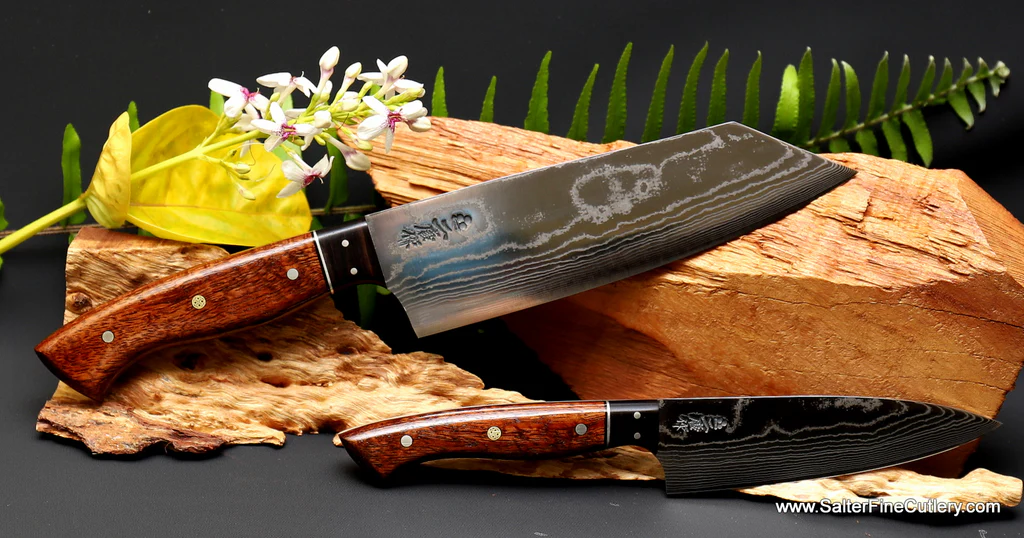
The foundation of a high-quality kitchen knife is the material used. Most premium kitchen knife suppliers offer blades made from stainless steel, high-carbon steel, or Damascus steel. Stainless steel is rust-resistant and easy to maintain, making it a great choice for busy kitchens. High-carbon steel holds a sharper edge longer but requires more care to prevent rust. Damascus steel, known for its beautiful patterns and layered construction, offers a blend of performance and aesthetics.
Blade Construction
Knife construction also plays a vital role in durability and balance. Forged knives, typically offered by premium kitchen knife suppliers, are made from a single piece of steel and heated to shape. These knives are strong and balanced. Stamped knives, on the other hand, are cut from large sheets of steel and are often lighter and more affordable but may lack the longevity of forged blades.
Handle Design and Ergonomics
A good knife must feel like an extension of the chef’s hand. Kitchen knife suppliers that pay attention to ergonomic handle design ensure comfort, reduce fatigue, and improve precision during long hours of prep work. Handles are commonly made from wood, plastic, or composite materials. The best suppliers offer options tailored to different grip styles and preferences.
How to Choose the Right Kitchen Knife Supplier
Reputation and Reviews
One of the best ways to gauge a kitchen knife supplier’s reliability is through customer reviews and industry reputation. Look for testimonials from professional chefs and culinary schools. A supplier with consistent positive feedback is likely to offer quality products and dependable service.
Range of Products
Top kitchen knife suppliers provide a wide variety of knives, including chef’s knives, paring knives, utility knives, and specialty blades such as boning or santoku knives. A diverse product range indicates a deep understanding of culinary needs and the ability to cater to both professionals and amateurs.
Customization Options
Some suppliers go a step further by offering knife customization. From personalized engraving to custom handle materials, these options not only add a personal touch but also reflect the supplier’s commitment to craftsmanship and customer satisfaction.
After-Sales Support
Exceptional kitchen knife suppliers offer more than just a transaction. Look for those who provide ongoing support, including sharpening services, warranty coverage, and educational content on knife care. A supplier invested in your success will ensure your knives perform optimally over time.
The Importance of Sourcing Ethically
Modern chefs are increasingly conscious of sustainability and ethical sourcing. Leading kitchen knife suppliers share this responsibility. They prioritize working with manufacturers that follow fair labor practices and use sustainable materials. Transparent sourcing builds trust and aligns with a growing movement toward ethical culinary practices.
Regional Differences in Knives and Suppliers
Japanese vs. Western Knives
Japanese knives are renowned for their sharpness and precision, often made with harder steel and a thinner profile. Western-style knives, common in Europe and the US, typically have thicker blades and are more robust, making them ideal for heavy-duty tasks. Reputable kitchen knife suppliers understand these regional differences and stock both styles to meet varied culinary demands.
Local Craftsmanship
In some regions, local knife makers carry generations of expertise. Suppliers who partner with these artisans offer blades that combine tradition, skill, and uniqueness. Purchasing from such a supplier means investing in heritage and exceptional quality.
Red Flags to Watch Out For
Not all kitchen knife suppliers uphold high standards. Be wary of those who:
- Offer unusually low prices that may indicate inferior materials
- Have poor customer service or delayed responses
- Lack transparency about blade materials and origins
- Fail to provide warranties or support for returned items
These warning signs suggest that the supplier may not be a reliable source for professional kitchen knives.
Maintenance and Longevity
A good knife is an investment, and working with the right kitchen knife supplier includes understanding proper maintenance. Suppliers that educate their customers on knife care help prolong blade life. This includes guidance on:
- Proper sharpening techniques or services
- Storing knives to prevent damage
- Cleaning methods to maintain blade integrity
Some suppliers also offer accessories like honing rods, magnetic strips, and knife guards—tools that further enhance knife longevity.
Building Long-Term Relationships
For professional chefs, the relationship with a kitchen knife supplier often becomes a long-term collaboration. Suppliers who understand your culinary style and preferences can recommend new products, offer early access to limited releases, and provide specialized support. This ongoing relationship is a valuable asset in any chef’s career.
Trends in the Knife Supply Industry
The kitchen knife industry continues to evolve. Recent trends include:
- Hybrid Knives: Blending features of Japanese and Western knives to create versatile tools
- Eco-Friendly Production: Knives made with recycled steel and sustainable handles
- Tech Integration: Suppliers using online platforms for virtual consultations and 3D previews of custom knives
By keeping an eye on industry innovations, chefs can partner with forward-thinking suppliers who stay ahead of the curve.
Final Thoughts
Choosing the right kitchen knife supplier is a critical decision for every chef, whether they’re running a restaurant or mastering their skills at home. A supplier’s quality, variety, ethics, and support directly influence a chef’s performance in the kitchen. By understanding what sets great suppliers apart—materials, construction, service, and trust—chefs can make informed decisions that sharpen their culinary edge for years to come.
Ask ChatGPT