

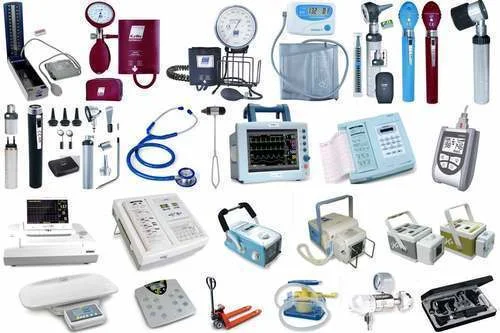
The healthcare industry is undergoing a rapid transformation driven by the integration of smart technology into medical equipment. From artificial intelligence to the Internet of Things (IoT), these innovations are redefining how diseases are diagnosed, monitored, and treated. Modern medical equipment is no longer limited to basic functionality; it now includes intelligent systems capable of learning, adapting, and delivering real-time insights. This evolution is improving patient outcomes, reducing operational costs, and enabling healthcare providers to deliver more precise and personalized care.
The Shift from Conventional to Smart Medical Equipment
Traditional medical equipment was primarily mechanical or electronic with limited data-processing capabilities. It performed specific tasks such as imaging, monitoring vital signs, or assisting in surgical procedures. While effective, these devices often required manual interpretation and lacked connectivity.
Smart medical equipment, on the other hand, integrates sensors, software, cloud computing, and data analytics. These features allow devices to collect, analyze, and transmit data automatically. For example, modern patient monitors can detect subtle changes in vital signs and alert healthcare professionals before a condition becomes critical. This shift from reactive to proactive care represents one of the most significant advancements in modern medicine.
Artificial Intelligence in Diagnostic Equipment
Artificial intelligence (AI) is playing a central role in transforming diagnostic medical equipment. AI-powered imaging systems can analyze X-rays, MRIs, and CT scans with remarkable accuracy, often identifying abnormalities that may be missed by the human eye. These systems learn from vast datasets, improving their performance over time.
In pathology, smart microscopes equipped with AI can detect cancerous cells more quickly and consistently than traditional methods. This not only speeds up diagnosis but also reduces the workload on medical professionals. The integration of AI into medical equipment ensures faster decision-making and enhances diagnostic precision, which is critical for early treatment and improved patient survival rates.
Internet of Things and Connected Healthcare Devices
The Internet of Things has enabled medical equipment to become part of a connected healthcare ecosystem. IoT-enabled devices can communicate with each other and with centralized hospital systems, creating a seamless flow of information.
Wearable health monitors, smart infusion pumps, and connected ventilators are examples of IoT-driven medical equipment. These devices continuously collect patient data and transmit it to healthcare providers in real time. This connectivity allows for remote patient monitoring, which is especially valuable for managing chronic diseases and caring for elderly patients at home.
Hospitals also benefit from connected medical equipment through better asset tracking, predictive maintenance, and improved workflow management. Equipment can alert technicians before a malfunction occurs, reducing downtime and ensuring that critical devices are always available when needed.
Robotics and Smart Surgical Equipment
Robotic-assisted surgery is another area where smart technology is revolutionizing medical equipment. Modern surgical robots provide enhanced precision, flexibility, and control beyond human capabilities. Surgeons can perform complex procedures with minimal invasiveness, resulting in smaller incisions, reduced blood loss, and faster recovery times.
Smart surgical systems also incorporate real-time imaging and data analytics, allowing surgeons to make more informed decisions during procedures. These advancements not only improve patient safety but also expand the range of surgeries that can be performed with high accuracy.
In addition, robotic medical equipment is being used in rehabilitation therapy. Smart exoskeletons help patients regain mobility after strokes or spinal injuries by providing guided movement and real-time feedback.
Data Analytics and Predictive Healthcare
One of the most powerful aspects of smart medical equipment is its ability to generate and analyze large volumes of data. Advanced analytics tools can identify patterns and predict potential health risks before symptoms appear.
For instance, smart cardiac monitors can analyze heart rhythms continuously and detect early signs of arrhythmias. Predictive algorithms can alert physicians to intervene before a life-threatening event occurs. This shift toward preventive care reduces hospital admissions and lowers healthcare costs.
Healthcare institutions are also using data from medical equipment to improve operational efficiency. By analyzing usage patterns, hospitals can optimize equipment allocation, reduce waste, and enhance patient flow.
Enhancing Patient Experience and Personalization
Smart medical equipment is not only benefiting healthcare providers but also improving the patient experience. Personalized treatment plans are now possible благодаря real-time data collection and analysis.
Smart insulin pumps adjust dosage based on glucose levels, while connected inhalers track usage patterns and provide reminders to patients with asthma. These devices empower patients to take an active role in managing their health.
Telemedicine has also been strengthened by smart diagnostic tools that patients can use at home. Digital stethoscopes, portable ECG devices, and smart thermometers allow doctors to assess patients remotely with high accuracy. This reduces the need for frequent hospital visits and makes healthcare more accessible, especially in rural and underserved areas.
Challenges in Implementing Smart Medical Equipment
Despite its many advantages, the adoption of smart medical equipment comes with challenges. Data security and patient privacy are major concerns, as connected devices are vulnerable to cyberattacks. Ensuring robust encryption and compliance with healthcare regulations is essential.
Another challenge is the high cost of advanced medical equipment. Smaller healthcare facilities may struggle to afford these technologies, creating a gap in access to modern care. Additionally, integrating new devices with existing hospital systems can be complex and requires skilled personnel.
Training healthcare professionals to use smart medical equipment effectively is also crucial. Without proper training, the full potential of these technologies cannot be realized.
The Future of Smart Technology in Medical Equipment
The future of medical equipment innovation lies in deeper integration of AI, machine learning, and real-time analytics. Emerging technologies such as digital twins, 3D printing, and nanotechnology are expected to further enhance device capabilities.
Digital twins of medical devices and even human organs could allow doctors to simulate treatments before applying them to patients. 3D-printed smart implants may adapt to the body and deliver medication as needed. Nanotechnology could enable microscopic medical equipment to detect and treat diseases at the cellular level.
Edge computing will also play a role by allowing data processing directly on medical devices, reducing latency and improving response times in critical situations.
Conclusion
Smart technology is transforming medical equipment from passive tools into intelligent systems that actively contribute to patient care. Through AI-driven diagnostics, IoT connectivity, robotic surgery, and predictive analytics, these innovations are improving accuracy, efficiency, and accessibility in healthcare.
While challenges such as cost, security, and training remain, the benefits of smart medical equipment far outweigh the obstacles. As technology continues to evolve, healthcare systems around the world will increasingly rely on intelligent devices to deliver personalized, proactive, and high-quality care.
The integration of smart technology into medical equipment marks a new era in medicine—one where data-driven insights, automation, and connectivity work together to save lives and improve the overall healthcare experience.