

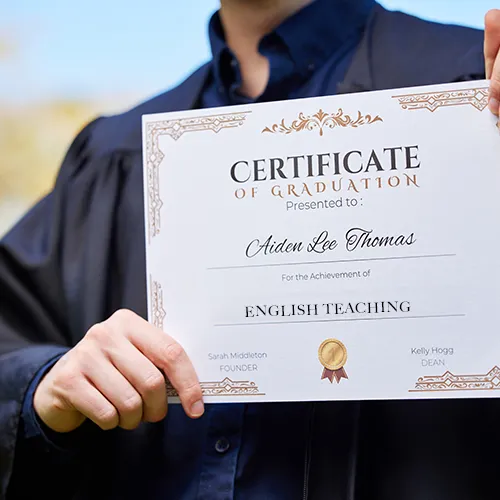
South Africa has long been recognized for producing skilled, adaptable, and English-proficient professionals. With English being one of the country’s official languages, many South Africans are uniquely positioned to pursue international teaching opportunities. One of the most accessible and rewarding ways to work abroad is by obtaining a TEFL certification and teaching English overseas.
If you are a South African looking to explore the world, earn a stable income, and make a meaningful difference, this guide will show you exactly how to start teaching English abroad with an accredited TEFL certification.
What Is TEFL and Why Is It Important?
TEFL stands for Teaching English as a Foreign Language. A TEFL certification is a professional qualification that equips you with the skills and knowledge needed to teach English to non-native speakers in countries around the world.
While being a native or fluent English speaker is an advantage, most reputable schools and language institutions require teachers to hold an accredited TEFL certification. This ensures that teachers understand classroom management, lesson planning, grammar instruction, and effective teaching methodologies.
For South Africans, earning a TEFL certification is often the first and most important step toward securing international teaching jobs.
Why South Africans Are in High Demand
South Africans are highly regarded in the global ESL (English as a Second Language) market for several reasons:
Strong English Proficiency
English is widely spoken and used in education and business throughout South Africa. This gives South African teachers a strong foundation in grammar, pronunciation, and communication skills.
Neutral Accent
Many South Africans have a clear and neutral English accent, which is preferred in many countries, especially in Asia and the Middle East.
Cultural Adaptability
South Africa’s diverse cultural background helps teachers adapt quickly to new environments, an important quality when teaching abroad.
With a recognized TEFL certification, South Africans can compete confidently with teachers from countries like the UK, USA, Canada, and Australia.
Choosing an Accredited TEFL Certification
Not all TEFL courses are created equal. To maximize your job opportunities, it’s crucial to choose an accredited TEFL certification program.
What to Look For
When selecting a course, ensure that it:
- Is internationally accredited
- Offers at least 120 hours of training
- Includes practical teaching components
- Covers lesson planning and classroom management
- Provides job placement assistance or career support
Most countries require a minimum of a 120-hour TEFL certification for work visa eligibility. Some competitive markets may prefer 150 or even 200 hours of training.
Online vs In-Person TEFL Certification
South Africans can choose between online and in-person TEFL certification courses.
Online courses offer flexibility and affordability. They are ideal for those who are working full-time or living in remote areas.
In-person courses provide hands-on classroom experience and face-to-face instruction. These can be beneficial for those who prefer interactive learning environments.
Both options are valid, as long as the TEFL certification is properly accredited.
Requirements to Teach English Abroad
Before packing your bags, it’s important to understand the basic requirements.
Age Requirements
Most countries require teachers to be at least 18 or 21 years old.
Education
Some countries require a bachelor’s degree in any field, while others do not. In places like Cambodia or certain parts of Latin America, a TEFL certification alone may be sufficient.
Criminal Background Check
A clean criminal record is typically required for visa purposes.
Valid Passport
Your South African passport should be valid for at least six months beyond your intended stay.
Meeting these requirements, along with holding an accredited TEFL certification, significantly improves your chances of securing a job abroad.
Best Countries for South Africans to Teach English
South Africans can teach English in many regions across the globe. Here are some popular destinations:
Asia
Countries like China, South Korea, Thailand, and Vietnam offer competitive salaries and benefits. Many schools provide housing, flight reimbursements, and visa sponsorship.
Middle East
The UAE, Saudi Arabia, and Qatar offer high salaries and tax-free income. These positions often require both a degree and a TEFL certification.
Europe
Spain, Poland, and the Czech Republic are popular options. Although salaries may be lower than in Asia, the cultural experience is unmatched.
Latin America
Countries such as Mexico, Colombia, and Costa Rica are ideal for those seeking adventure. A TEFL certification is often the primary requirement.
Step-by-Step Guide to Getting Started
Starting your journey is easier than you might think. Follow these steps:
Step 1: Research TEFL Certification Programs
Compare accredited programs, read reviews, and check course content. Make sure the TEFL certification meets international standards.
Step 2: Complete Your TEFL Certification
Dedicate time to learning teaching strategies, grammar rules, and lesson planning techniques. Take the course seriously—schools value well-trained teachers.
Step 3: Prepare Your CV
Highlight your TEFL certification, education, volunteer work, and any experience working with children or adults. Even tutoring or coaching experience can strengthen your application.
Step 4: Apply for Jobs
Use online job boards, TEFL provider networks, and recruitment agencies. Some programs place you directly in schools after completing your TEFL certification.
Step 5: Prepare for Interviews
Be ready to demonstrate a mock lesson and discuss teaching strategies. Employers want confident, enthusiastic teachers.
Step 6: Secure Your Visa
Once hired, your employer will guide you through the visa process. Your TEFL certification will often be part of the documentation required.
Salary Expectations and Benefits
Your salary depends on the country, school type, and your qualifications.
In Asia, teachers can earn enough to save money while enjoying a comfortable lifestyle. In the Middle East, salaries are higher, often with accommodation included.
Benefits may include:
- Free housing or housing allowance
- Health insurance
- Paid holidays
- Flight reimbursement
- End-of-contract bonuses
Having a recognized TEFL certification can increase your earning potential and help you qualify for better positions.
Career Growth Opportunities
Teaching English abroad is not just a temporary job—it can become a long-term career.
With experience and an advanced TEFL certification, you can move into:
- Senior teacher roles
- Academic management
- Curriculum development
- Teacher training
- Online teaching entrepreneurship
Many South Africans use their TEFL certification as a stepping stone to international careers in education and training.
Common Challenges and How to Overcome Them
Teaching abroad can be life-changing, but it comes with challenges.
Cultural Adjustment
Living in a new country requires patience and open-mindedness. Research your destination before arrival to ease the transition.
Classroom Management
Your TEFL certification will prepare you for handling different learning styles and classroom behaviors.
Homesickness
Staying connected with family and building a support network abroad helps ease feelings of isolation.
Preparation and a strong TEFL certification foundation make these challenges manageable.
Why Now Is the Perfect Time
Global demand for English teachers remains strong. As more countries emphasize English for business and education, qualified teachers are needed worldwide.
South Africans who invest in a quality TEFL certification can access opportunities that offer travel, financial independence, and professional growth.
With remote work and online teaching also expanding, a TEFL certification opens doors beyond traditional classrooms.
Final Thoughts
For South Africans dreaming of international travel, financial stability, and meaningful work, obtaining an accredited TEFL certification is the gateway to teaching English abroad.
By choosing a reputable program, meeting basic requirements, and preparing professionally, you can launch a rewarding global career. The world is actively seeking qualified English teachers, and with the right TEFL certification, South Africans are perfectly positioned to succeed.