
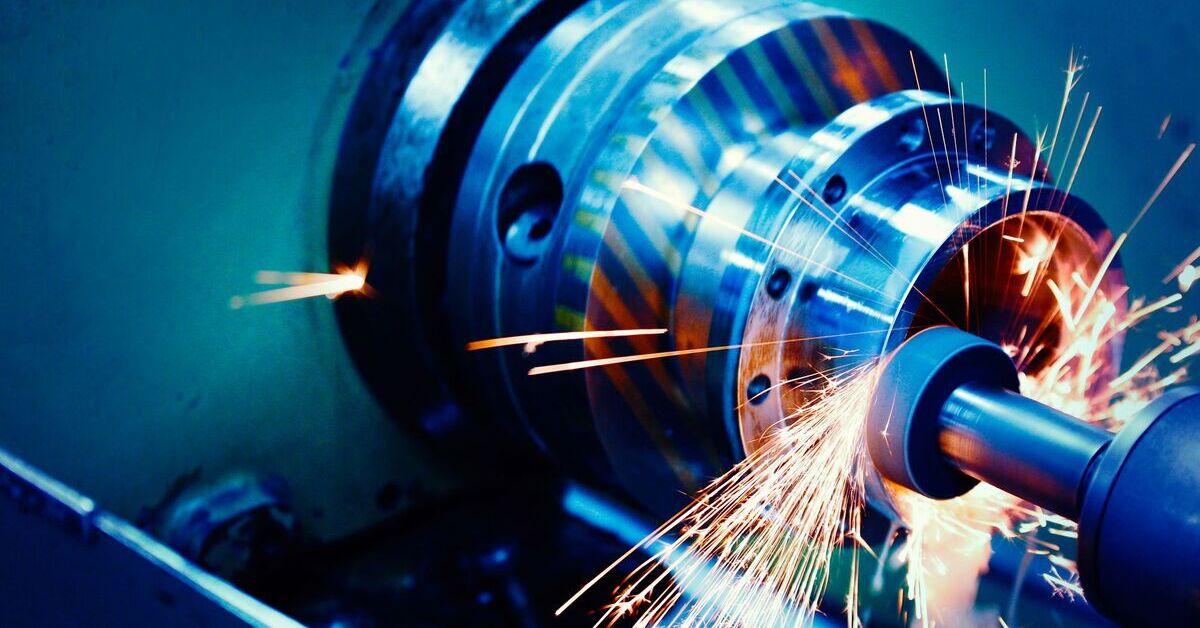
In today’s competitive manufacturing landscape, small businesses are constantly looking for ways to improve efficiency, reduce costs, and maintain high-quality standards. One technology that has revolutionized the manufacturing process is CNC precision machining. CNC, or Computer Numerical Control, precision machining allows manufacturers to produce complex parts with high accuracy and repeatability. While large-scale manufacturers have long leveraged this technology, small businesses can also benefit significantly from its adoption. Here, we explore the top 10 benefits of CNC precision machining for small businesses.
Enhanced Accuracy and Precision
CNC precision machining provides unmatched accuracy compared to traditional manual machining methods. Computer-controlled machines follow exact specifications, ensuring that every part produced meets the desired tolerances. For small businesses, this level of precision means fewer mistakes, reduced material waste, and consistent product quality. Whether producing prototypes or finished parts, the ability to maintain tight tolerances can help small businesses compete with larger manufacturers.
Increased Production Efficiency
One of the primary advantages of CNC precision machining is its efficiency. Once the machine is programmed, it can run continuously with minimal human intervention. This means small businesses can produce parts faster, meet customer deadlines more reliably, and handle larger orders without significantly increasing labor costs. Increased efficiency translates to better resource utilization and higher overall productivity.
Cost Savings in the Long Run
While investing in CNC machinery may seem expensive initially, the long-term cost savings for small businesses can be substantial. Reduced material waste, fewer errors, and lower labor requirements all contribute to a smaller overall production cost per part. Additionally, CNC machines require minimal manual intervention, which reduces the risk of costly mistakes during the manufacturing process. Over time, these savings can offset the initial investment.
Flexibility in Manufacturing
CNC precision machining offers exceptional flexibility, allowing small businesses to switch between different product designs with ease. Changing a production run simply involves updating the machine’s program, eliminating the need for time-consuming retooling. This flexibility enables small businesses to adapt quickly to market demands, customize products for clients, and experiment with new designs without significant downtime.
High Consistency and Repeatability
Consistency is critical in manufacturing, especially when producing multiple units of the same part. CNC precision machining ensures that each part is identical to the last, maintaining uniform quality across production runs. Small businesses benefit from this repeatability by building a reputation for reliable products and reducing the chances of customer complaints or returns.
Complex Part Production
CNC machines excel at creating complex shapes and intricate designs that would be difficult or impossible to achieve manually. This capability opens new opportunities for small businesses to manufacture specialized parts and components for niche markets. By offering products that competitors may struggle to produce, small businesses can differentiate themselves and gain a competitive advantage.
Reduced Lead Times
By streamlining the manufacturing process, CNC precision machining can significantly reduce lead times for small businesses. Faster production cycles mean that businesses can respond more quickly to customer orders, fulfill urgent requests, and reduce inventory holding costs. Quicker turnaround times also enhance customer satisfaction and increase the likelihood of repeat business.
Improved Safety in the Workplace
Manual machining can involve significant risks, including exposure to sharp tools, heavy machinery, and hazardous materials. CNC precision machining reduces direct human interaction with these risks, as the machines operate automatically based on programmed instructions. For small businesses, investing in CNC technology can lead to a safer working environment and fewer workplace accidents, which in turn lowers insurance costs and improves employee morale.
Scalability and Growth Opportunities
CNC precision machining allows small businesses to scale their operations without a proportional increase in labor costs. Automated machines can handle larger production volumes, enabling businesses to expand their market reach and take on bigger orders. Additionally, the ability to produce high-quality parts consistently helps small businesses compete for contracts that require precision engineering, opening doors to new revenue streams.
Innovation and Competitive Edge
Finally, CNC precision machining empowers small businesses to innovate and experiment with new designs, materials, and manufacturing techniques. The flexibility and precision offered by CNC technology make it easier to prototype new products and bring innovative ideas to market quickly. This ability to innovate not only strengthens a small business’s product offerings but also enhances its competitive edge in an increasingly technology-driven market.
Conclusion
CNC precision machining offers a wide range of benefits for small businesses, from enhanced accuracy and efficiency to cost savings, flexibility, and the ability to produce complex parts. By adopting this technology, small businesses can improve product quality, reduce lead times, ensure workplace safety, and position themselves for growth and innovation. In a competitive manufacturing landscape, leveraging CNC precision machining can be a game-changer, enabling small businesses to compete with larger firms while maintaining agility and high standards.