
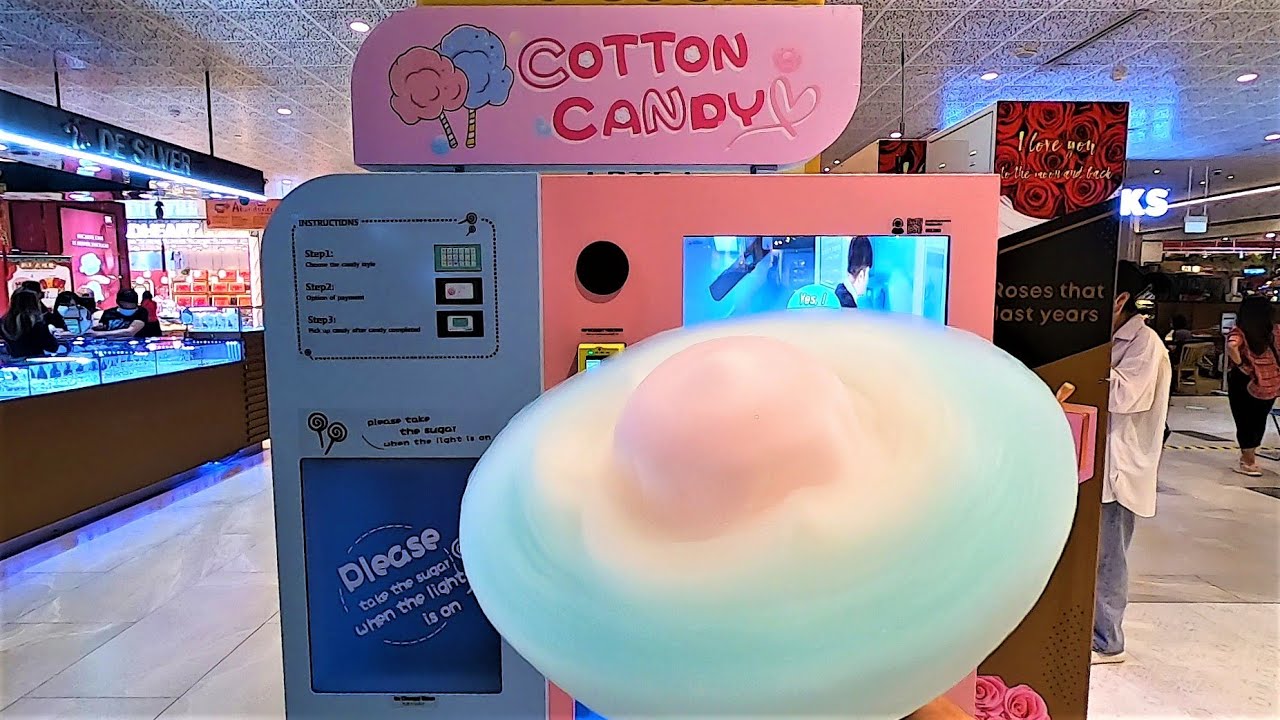
Cotton candy vending machines are becoming increasingly popular in amusement parks, malls, cinemas, and event venues due to their ability to deliver a fun, nostalgic treat instantly. For business owners, a cotton candy vending machine is not only a way to attract attention but also a profitable investment that can generate consistent revenue. However, like any piece of machinery, it requires proper care and maintenance to ensure smooth operation, extended lifespan, and reduced repair costs. Neglecting upkeep can lead to frequent breakdowns, sticky messes, and costly downtime. By following consistent maintenance practices, owners can keep their cotton candy vending machines working efficiently for many years.
Importance of Regular Maintenance
Maintaining a cotton candy vending machine is essential to prevent unexpected malfunctions and keep customers satisfied with their sweet treat experience. Since the machine deals with sugar, which is sticky and prone to hardening, regular cleaning and inspection are vital. Proper maintenance not only ensures food safety but also enhances machine performance and prolongs its durability. A well-maintained vending machine reduces repair expenses, minimizes downtime, and protects the overall investment.
Daily Cleaning Practices
Sugar particles and residue are the biggest challenges for any cotton candy vending machine. Daily cleaning ensures hygiene, prevents clogging, and keeps the machine working smoothly. After each day of operation, wipe down the bowl, spinner head, and collection area using a damp cloth to remove sugar buildup. Avoid using harsh chemicals that may damage food-contact surfaces; instead, stick to mild cleaning solutions recommended by the manufacturer. Always ensure the machine is unplugged before cleaning to prevent electrical hazards.
Another important daily task is emptying and cleaning the sugar storage container. Residual sugar left overnight can harden, attract pests, and cause blockages. By starting each day with a clean and dry machine, operators can guarantee consistency and reduce the chances of technical issues.
Weekly Deep Cleaning
Beyond daily wiping, a cotton candy vending machine should undergo a thorough cleaning at least once a week. This includes disassembling parts such as the bowl, spinner head, and filters if applicable. Wash these parts with warm water and food-safe detergent to remove hardened sugar and prevent contamination. Once cleaned, ensure all components are completely dry before reassembling to avoid moisture-related issues like electrical faults or rust.
It is also recommended to vacuum or wipe internal compartments to clear dust, sugar particles, and debris that may have accumulated. Keeping the internal system free of obstructions ensures efficient airflow and prevents overheating.
Inspecting Electrical and Mechanical Components
A cotton candy vending machine relies on both electrical and mechanical systems to operate efficiently. Regular inspection of these parts helps identify small problems before they escalate into major breakdowns. Check wiring connections, switches, and heating elements to ensure they are functioning properly. Look for signs of wear, frayed wires, or unusual odors that may indicate overheating.
Mechanical parts such as belts, motors, and rotating components should also be checked for alignment and lubrication. If parts appear worn or produce unusual noises, they should be repaired or replaced promptly to avoid unexpected failures. Preventive inspections not only improve safety but also extend the overall machine lifespan.
Managing Heat and Airflow
Cotton candy machines require heat to melt sugar and airflow to spin the threads effectively. Proper ventilation is crucial for consistent performance. Ensure the machine is placed in a well-ventilated area, away from direct sunlight, excessive humidity, or confined spaces that can trap heat. Blocked airflow can cause overheating, reduced output, and potential safety hazards.
Regularly inspect vents and cooling fans to ensure they are free from dust and debris. Proper airflow management not only ensures the quality of cotton candy but also prevents the machine from overworking, which helps in prolonging its life.
Using the Right Ingredients
One often-overlooked aspect of cotton candy vending machine maintenance is the type of sugar used. Using low-quality or improperly refined sugar can cause clogging, uneven spinning, and residue buildup. Always choose high-quality, granulated sugar specifically designed for cotton candy production. Some machines also support flavored or colored sugar, but it is essential to follow manufacturer guidelines to prevent damage.
Avoid using additives or sugars that can caramelize quickly, as these can leave sticky residues and require more frequent deep cleaning. Consistency in ingredients ensures both machine efficiency and product quality.
Scheduled Professional Servicing
While daily and weekly maintenance can be handled by operators, periodic professional servicing is recommended to keep the cotton candy vending machine in top shape. Certified technicians can perform in-depth inspections, recalibrate heating systems, and replace worn-out parts with genuine components. Scheduling servicing every few months ensures that potential issues are addressed before they disrupt business operations.
Professional servicing also extends warranty coverage in some cases, as many manufacturers require proof of regular maintenance to honor service agreements. Investing in routine checkups saves money in the long run by preventing major repairs or replacements.
Preventing Common Problems
To maximize longevity, it’s important to be proactive in preventing issues that commonly affect cotton candy vending machines. Sticky residue is the most frequent problem, which can be minimized with prompt cleaning after each use. Blocked sugar dispensers and clumped sugar can be avoided by storing sugar in airtight containers away from moisture.
Mechanical wear and tear can be reduced by avoiding overloading the machine or operating it for extended hours without breaks. Giving the machine time to cool down after heavy use prevents overheating and protects internal components.
Training Staff for Proper Use
If multiple people operate the cotton candy vending machine, staff training is vital for maintaining consistency and avoiding misuse. Operators should understand how to start, stop, and clean the machine correctly. They should also know how to identify early warning signs of malfunction, such as unusual sounds, reduced output, or inconsistent candy texture. Well-trained staff contribute significantly to machine longevity by reducing user-related errors.
Storage and Off-Season Care
For businesses that use cotton candy vending machines seasonally, proper storage is key to preserving functionality. Before storage, thoroughly clean and dry all machine parts to prevent mold, rust, or sugar hardening. Cover the machine with a protective cover to keep out dust and insects, and store it in a cool, dry location.
Before bringing the machine back into operation, perform a complete inspection and test run to ensure it is functioning properly. Seasonal storage care prevents deterioration and extends the overall lifespan of the machine.
Conclusion
A cotton candy vending machine is an exciting and profitable addition to entertainment venues, but its success depends on consistent care and attention. From daily cleaning routines to professional servicing, every step plays a role in ensuring that the machine continues producing fluffy, delicious cotton candy for years to come. By maintaining proper hygiene, monitoring electrical and mechanical systems, using quality ingredients, and training staff, owners can protect their investment and provide customers with a reliable sweet treat experience. A well-maintained cotton candy vending machine not only lasts longer but also maximizes profit potential while minimizing repair costs.