

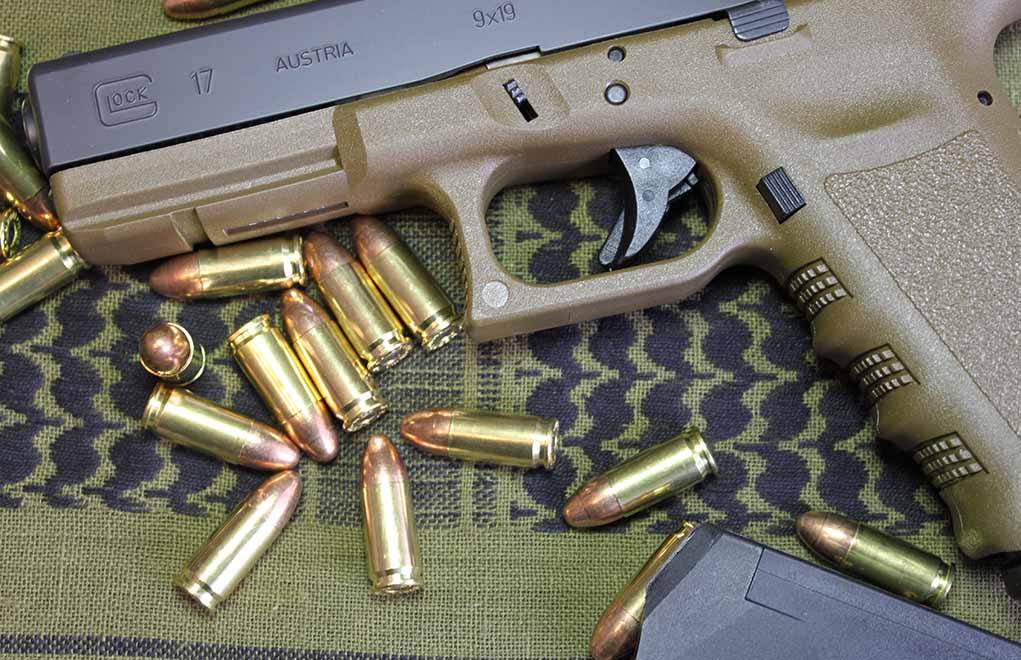
Introduction: Why the airsoft glock17 remains a top choice
Compact, reliable, and widely available, the airsoft glock17 has become a go-to sidearm for beginners and seasoned skirmishers alike. Its familiar ergonomics and straightforward operation make it an ideal platform for learning advanced pistol tactics and experimenting with customization that improves performance in-game. This article dives into tactics that maximize effectiveness with this platform and practical modifications that keep your pistol competitive without compromising reliability.
Mastering draw, presentation, and recoil control
A fast, smooth draw and consistent presentation are the backbone of effective pistol work. Practice pulling the airsoft glock17 from a holster, bringing it onto target, and acquiring the sight picture in one fluid motion. Dry-fire repetitions build muscle memory: perform slow, deliberate draws to correct flaws, then progressively increase speed while maintaining accuracy. Recoil on an airsoft pistol is minimal compared to firearm recoil, but you still need to manage muzzle flip and follow-up shot timing. Work on a controlled reset of the trigger between shots; a brisk, consistent trigger finger returns you to the sweet spot quicker than flinching or jerking. Pair dry-fire with live-fire drills on the range to translate the movement into real-world performance.
Advanced movement and close-quarters engagement
In dynamic environments, footwork is as critical as marksmanship. When using the airsoft glock17 in close-quarters scenarios, practice slicing the pie around doorways, transitioning from cover, and moving off the X—angling your body to minimize exposure while keeping the pistol aligned with targets. Two common techniques work especially well: the compressed movement for tight corridors—short, explosive steps keeping the pistol at the ready—and the extended step for clearing larger rooms—longer strides with incremental target checks. When advancing, prioritize short, controlled bursts instead of long exposures. Use blind or contact shooting when visibility is limited: present the pistol, drive the muzzle toward the target, and squeeze the trigger while maintaining awareness of your surrounding teammates.
Target transitions and threat prioritization
A hallmark of advanced gunplay is the ability to rapidly scan and prioritize multiple threats. Train targeted transitions from the most immediate danger to secondary targets while maintaining trigger discipline. Use the “index—acquire—press” cadence: index the pistol on the next target, acquire a quick reference point on the frame or sight, and press the trigger. Efficient transitions are practiced with arrays of targets at different distances and angles, forcing you to move your sight picture and adjust holdovers quickly. Add movement—left-right stepping or a short crouch—between transitions to simulate real engagements and throw off predictable patterns.
Competition-style shooting and timed drills
Timed drills hone speed without sacrificing accuracy. Set up par times for draws, reloads, and target arrays. The classic failure drill (two to the body, one to the head) translates poorly to airsoft safety rules in some fields, so adapt it to your local rules: use center mass and rapid transitions instead of headshots. Incorporate reload economy—practicing tactical reloads during lulls and emergency reloads during sustained engagement. Work on retention drills too: simulate a disarming attempt and practice regaining control while staying aware of your environment.
Practical upgrades that matter
Not all customizations are equal. Prioritize upgrades that improve reliability, ergonomics, and consistency. A threaded barrel adapter or tighter bore barrel can boost accuracy and give you options for tracer or suppressor-style accessories. Swap the stock hop-up bucking for a quality aftermarket piece to enhance groupings at range. Replace springs only when necessary; heavier springs can stabilize FPS in high-impact builds but may reduce reliability in older gas systems. Opt for a high-quality magazine with improved lips and feed springs; a reliable magazine ecosystem prevents the majority of field failures.
Sights, lights, and small hardware
Upgrading sights can dramatically cut target acquisition time. Low-profile fiber-optic or tritium-style sights make daytime and low-light shooting quicker. If permitted by your local field, adding a small pistol light or laser can improve target identification during twilight engagements. Choose compact units that don’t upset the balance of the pistol. Consider swapping the slide release and mag catch to ambidextrous or extended versions if you favor one-handed manipulations or faster reloads.
Trigger and internal tuning
A crisp, predictable trigger is worth pursuing carefully. Aftermarket trigger shoes and connector plates can reduce travel and improve reset but must be installed with attention to safety and legality. For gas blowback models, ensure the hammer and sear engagement aren’t compromised by aggressive polishes; keeping a defined, safe engagement is crucial. Light polishing of friction surfaces and upgrading to precision internal parts can smooth the action and lower lock time, but always test thoroughly after each change.
External customization and ergonomics
Grip tape, stippling, or adhesive backered grip panels allow you to tailor the grip texture to personal preference, improving retention during movement or in wet conditions. Be mindful of local field rules—some fields prohibit permanent stippling. Extended baseplates and pinky extensions on magazines enhance purchase for shooters with smaller hands and improve reload ergonomics. Slim grips and backstrap modifications can alter the hand position for better trigger reach and sight alignment.
Maintenance, testing, and field discipline
Any upgrade means more responsibility in maintenance. After making changes, run a battery of function tests: dry-fire for trigger consistency, magazine dry-load cycles to check feed reliability, and live-fire chronographing if you altered springs or gas output. Clean and lube with recommended products; over-lubrication can attract dirt and cause malfunctions, while under-lubrication accelerates wear. Keep a field kit with spare magazines, a basic tool set, and hop-up buckings for quick repairs.
Customization within safety and rules
Remember that not all customizations are allowed everywhere. Check field rules for FPS limits, allowed modifications, and accessory restrictions. Tracer units and green gas conversions might be restricted in certain venues. Respect safety protocols and ensure modifications don’t create unsafe velocities or unreliable feeding. When in doubt, consult your field marshal before making significant changes.
Conclusion: blending skill and setup
The most effective upgrade to your airsoft glock17 is the combination of consistent training and thoughtful customization. Technical tweaks and accessories can shave split seconds off your engagement time, but mastering draw, movement, and target transitions makes those upgrades meaningful. Tune your pistol to match your playing style, keep it well maintained, and prioritize drills that reinforce accuracy under pressure. With the right balance of practice and parts, your airsoft glock17 will be a reliable, competitive sidearm that performs exactly when you need it.