
Strength is one of the most important characteristics when it comes to metals. From constructing massive skyscrapers to creating military equipment and industrial tools, the strongest metals are vital in ensuring durability, safety, and long-term performance. When people search for the top 10 strongest metals, they often want to know which ones truly stand the test of time and pressure. Each metal has its own qualities such as tensile strength, yield strength, hardness, and resistance to corrosion, making it valuable in different industries. Let’s dive into the ten metals that are considered the strongest and learn why they are capable of withstanding almost anything.
Understanding Metal Strength
Before exploring the top 10 strongest metals, it’s important to understand what makes a metal “strong.” Strength can be defined in multiple ways: tensile strength measures resistance to being pulled apart, yield strength measures resistance to permanent deformation, and hardness reflects resistance to scratches or indentations. Corrosion resistance and heat resistance also play major roles, as metals are often exposed to extreme conditions.
Tungsten – The Ultimate Powerhouse
Tungsten is often regarded as the strongest natural metal. It has the highest melting point of all metals, at an astonishing 3,422°C, and also possesses the highest tensile strength. This makes tungsten invaluable in industries such as aerospace, defense, and electronics. Because of its ability to endure extreme heat and pressure, it is widely used in rocket engine nozzles, electrical contacts, and even in military projectiles. Tungsten also resists wear and tear better than most other metals, which is why it often tops any list of the top 10 strongest metals.
Titanium – Lightweight but Incredibly Strong
Titanium is another standout metal known for its exceptional strength-to-weight ratio. It is not as hard as tungsten but is far lighter, making it an excellent choice in aerospace and medical industries. Titanium is corrosion-resistant, even against saltwater, which is why it is commonly used in submarines, aircraft, and surgical implants. This combination of durability and lightness allows titanium to maintain its place among the strongest and most versatile metals in the world.
Chromium – The Metal of Shine and Strength
Chromium is best known for its brilliant, reflective surface and its high hardness level. It is an essential component of stainless steel, which makes it valuable in construction, automotive, and household industries. Chromium’s exceptional corrosion resistance means it can withstand harsh environmental conditions without losing its strength. Because of its ability to combine beauty with durability, it rightfully belongs to the top 10 strongest metals.
Steel – The Foundation of Modern Civilization
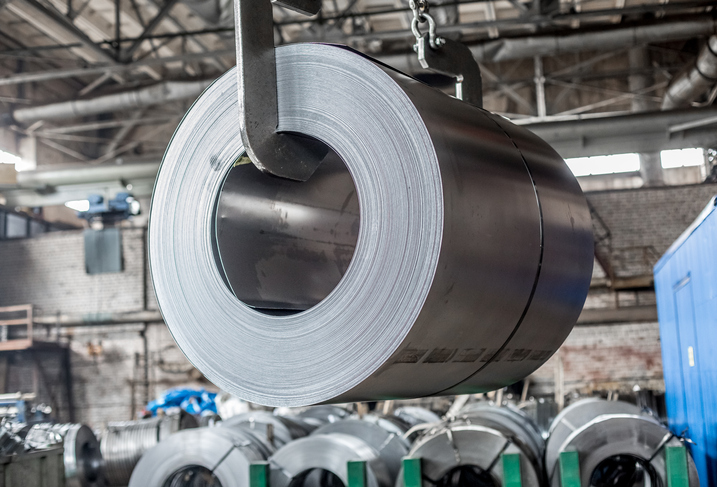
Although steel is technically an alloy rather than a pure metal, it deserves a prominent spot in the list due to its unmatched importance in human development. Made primarily of iron and carbon, steel has incredible tensile strength and flexibility. Variants such as stainless steel and high-carbon steel offer even greater durability and resistance to corrosion. Steel is used in skyscrapers, bridges, vehicles, and tools, making it one of the most practical and strongest materials in modern society.
Osmium – The Dense Giant
Osmium is one of the densest elements found on Earth. While it is brittle in its pure form, its alloys are extremely strong and resistant to wear. Its density makes osmium valuable in specialized applications like electrical contacts and fountain pen nibs. Although not as commonly used as titanium or steel, osmium’s unique characteristics keep it within the top 10 strongest metals known to science.
Iridium – Extreme Durability Under Pressure
Iridium is one of the rarest metals on the planet and also one of the hardest. It is highly resistant to corrosion, even at high temperatures, which makes it ideal for use in crucibles, spark plugs, and certain scientific instruments. Iridium alloys are used in aircraft engines and other high-performance machinery where both durability and stability under stress are crucial. Its rarity makes it expensive, but its strength is undeniable.
Vanadium – Essential for Alloys
Vanadium is not as widely recognized as tungsten or titanium, but it plays a key role in strengthening steel. When added to steel, vanadium significantly improves its tensile strength, corrosion resistance, and shock absorption properties. This makes vanadium-alloyed steel perfect for tools, machinery, and even spacecraft. Because of its crucial role in enhancing other metals, vanadium earns its place in the top 10 strongest metals.
Ruthenium – The Reinforcer
Ruthenium is another rare and valuable metal that is often used in small amounts to strengthen platinum and palladium alloys. It has a high hardness level and resists wear and corrosion, which makes it useful in electrical contacts and high-end jewelry. Although it is not typically used on its own, its strengthening capabilities make ruthenium an important contributor to high-performance materials.
Titanium Alloys – Even Stronger than Pure Titanium
While pure titanium is already incredibly strong, titanium alloys take its strength to another level. By mixing titanium with other elements like aluminum and vanadium, engineers create materials that are lighter, stronger, and even more resistant to stress. These alloys are used in jet engines, military equipment, and advanced medical implants. Their unique balance of durability and lightweight design ensures their ranking among the top 10 strongest metals.
Iron – The Ancient Strong Metal
Iron has been used by humans for thousands of years, and while it is not the strongest by today’s standards, it remains one of the most important. Iron is the base material for steel, making it the foundation of modern construction and machinery. Its abundance and ability to combine with other elements to create stronger alloys secure its place in the list. Though it may not surpass tungsten or titanium in raw strength, iron’s historical and practical value cannot be ignored.
Conclusion
The top 10 strongest metals each possess unique qualities that allow them to withstand heat, pressure, corrosion, and deformation. Tungsten impresses with its unmatched melting point, titanium dominates with its lightweight strength, and chromium dazzles with both durability and shine. Alloys like steel and titanium alloys have revolutionized construction and aerospace, while rare elements like iridium and ruthenium prove invaluable in specialized fields. Together, these metals represent the backbone of modern engineering and innovation. Without them, advancements in technology, transportation, and architecture would not be possible. Strength is not just about hardness or density—it is about adaptability, versatility, and resilience. That is why these ten metals stand out as the strongest materials capable of withstanding almost anything.