
Introduction
In recent years, law enforcement agencies worldwide have increasingly adopted the use of Body Worn Camera technology. These small, wearable devices are designed to capture audio and video recordings of interactions between police officers and the public. The growing interest in this technology stems from the demand for greater accountability, transparency, and trust in policing. With public scrutiny of police practices at an all-time high, Body Worn Camera are often seen as a vital tool in bridging the gap between law enforcement and communities.
What is a Body Worn Camera?
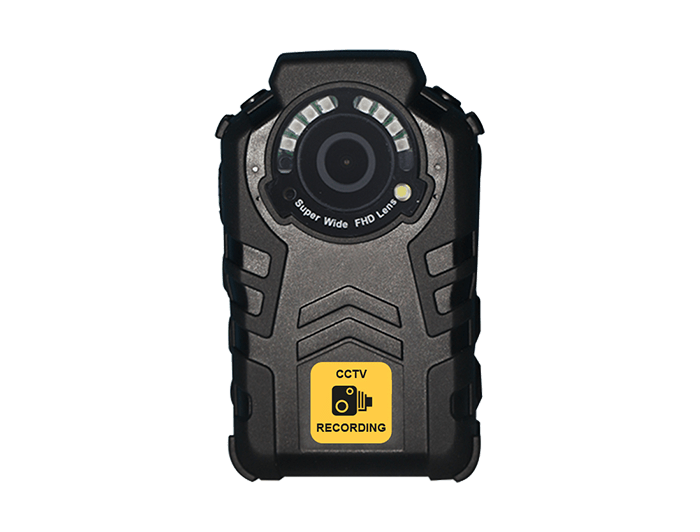
A Body Worn Camera is a compact recording device usually attached to a police officer’s uniform, chest, or glasses. It records both video and audio, creating a real-time record of encounters between officers and citizens. Unlike stationary cameras such as CCTV, these devices provide a first-person perspective, capturing events as they unfold from the officer’s point of view. Some models come with features such as night vision, automatic activation during specific incidents, and live streaming capabilities to command centers.
The Rise of Body Worn Camera Adoption
The rapid adoption of Body Worn Cameras is closely tied to high-profile incidents that raised concerns about excessive use of force, racial profiling, and accountability within police forces. Many governments and municipalities have responded by mandating the use of these devices. In the United States, for instance, federal funding has been allocated to support law enforcement agencies in implementing Body Worn Camera programs. Similarly, in the United Kingdom, nearly all frontline officers are now equipped with them. Other regions, including parts of Australia, Canada, and Asia, are also integrating this technology into their policing systems.
Enhancing Transparency and Accountability
One of the most significant impacts of Body Worn Camera adoption is the enhancement of transparency. When officers wear cameras, their actions are recorded, providing objective evidence of interactions. This has led to an increased sense of accountability, as both officers and civilians are aware that their behavior may be reviewed later. Recordings can be used to investigate complaints, verify facts in court, and prevent false accusations against officers.
Impact on Police Behavior
Studies have shown that officers who use Body Worn Cameras are more likely to adhere to department policies and adopt de-escalation techniques during potentially volatile situations. Knowing that their actions are being recorded often encourages professionalism, reducing instances of misconduct. Furthermore, Body Worn Camera footage can serve as a training tool, allowing departments to identify best practices and areas for improvement among their personnel.
Impact on Public Behavior
The presence of a Body Worn Camera can also influence public behavior. Civilians are less likely to act aggressively toward officers when they know they are being recorded. This mutual awareness often leads to calmer interactions and reduces the likelihood of confrontations escalating into violence. In many communities, the knowledge that police are wearing cameras has improved citizens’ willingness to cooperate, as they feel safer and more protected.
Evidence Collection and Legal Proceedings
Body Worn Camera footage has become a crucial resource in legal cases. Recordings provide firsthand evidence that can be used in court to support prosecutions or defenses. This reduces reliance on conflicting eyewitness testimonies, offering judges and juries a clearer understanding of events. The video evidence is particularly valuable in cases involving use of force, arrests, and traffic stops. Additionally, prosecutors report that the availability of footage can encourage guilty pleas, saving time and resources in lengthy trials.
Challenges and Concerns
Despite their advantages, Body Worn Cameras present several challenges that must be addressed.
Privacy Issues
A major concern is the privacy of both officers and civilians. Recordings may capture sensitive situations, such as interactions with victims of domestic violence or minors. Determining when cameras should be turned on or off is a delicate issue, as constant surveillance can raise ethical dilemmas.
Data Management
Storing and managing large volumes of video data is another significant challenge. Police departments must invest in secure storage systems, which can be costly. Additionally, strict policies are needed to govern who can access the footage and how long it should be retained.
Financial Costs
The implementation of Body Worn Camera programs requires substantial investment. Beyond purchasing the devices, departments must cover costs for training, maintenance, and data storage infrastructure. Smaller agencies often struggle to fund such programs without government support.
Policy and Guidelines
There is no universal standard for how Body Worn Cameras should be used. Different jurisdictions have varying rules about activation, public access to footage, and disciplinary actions for misuse. Establishing consistent and fair policies is essential to maximizing the effectiveness of this technology.
Community Trust and Police-Community Relations
One of the most promising aspects of Body Worn Camera adoption is its potential to rebuild trust between law enforcement and communities. Transparency through recorded interactions can reassure citizens that officers are held accountable for their actions. At the same time, officers can feel protected from false allegations, knowing that evidence is available to support their version of events. When used responsibly, Body Worn Cameras contribute to stronger, more respectful relationships between police and the public.
International Perspectives
Globally, the impact of Body Worn Camera use varies depending on cultural, legal, and political contexts. In the United States, adoption has largely been driven by demands for police reform, while in the United Kingdom, the emphasis has been on improving evidence collection and court efficiency. In Australia and Canada, pilot programs are being evaluated to balance benefits with privacy considerations. Meanwhile, countries in Asia are exploring the use of this technology to modernize policing systems and align with international best practices.
The Future of Body Worn Cameras
The future of Body Worn Cameras will likely involve integration with advanced technologies such as artificial intelligence and real-time data analysis. AI could be used to detect threats, identify patterns of behavior, or automatically flag incidents that require further review. Additionally, improved connectivity may allow footage to be instantly uploaded to secure cloud servers, enhancing accessibility and oversight. As the technology evolves, policymakers will need to strike a balance between maximizing benefits and protecting individual rights.
Conclusion
The introduction of Body Worn Cameras represents one of the most significant advancements in modern policing. By promoting transparency, accountability, and trust, these devices have reshaped the way officers interact with the public and how communities perceive law enforcement. While challenges related to privacy, costs, and policy remain, the overall impact of Body Worn Cameras on policing has been largely positive. As technology continues to advance and adoption expands globally, Body Worn Cameras are poised to remain a central element in the ongoing effort to build safer, fairer, and more accountable policing systems.