
Mold growth in the home can be more than just an eyesore. It poses health risks, can damage property, and create long-term structural problems if left untreated. Effective mold remediation is essential for maintaining a safe and healthy living environment. For homeowners, understanding strategies to prevent, identify, and eliminate mold is crucial. This handbook provides practical advice and actionable steps to tackle mold problems efficiently.
Understanding Mold and Its Impact
Mold is a type of fungus that thrives in damp, humid environments. Commonly found in bathrooms, basements, attics, and areas with water leaks, mold can cause allergic reactions, respiratory issues, and worsen existing health conditions. Beyond health, mold can weaken building materials, damage furniture, and reduce property value. Recognizing the signs of mold growth early—such as musty odors, visible discoloration, and water stains—can save homeowners from extensive remediation costs.
Identifying the Source of Moisture
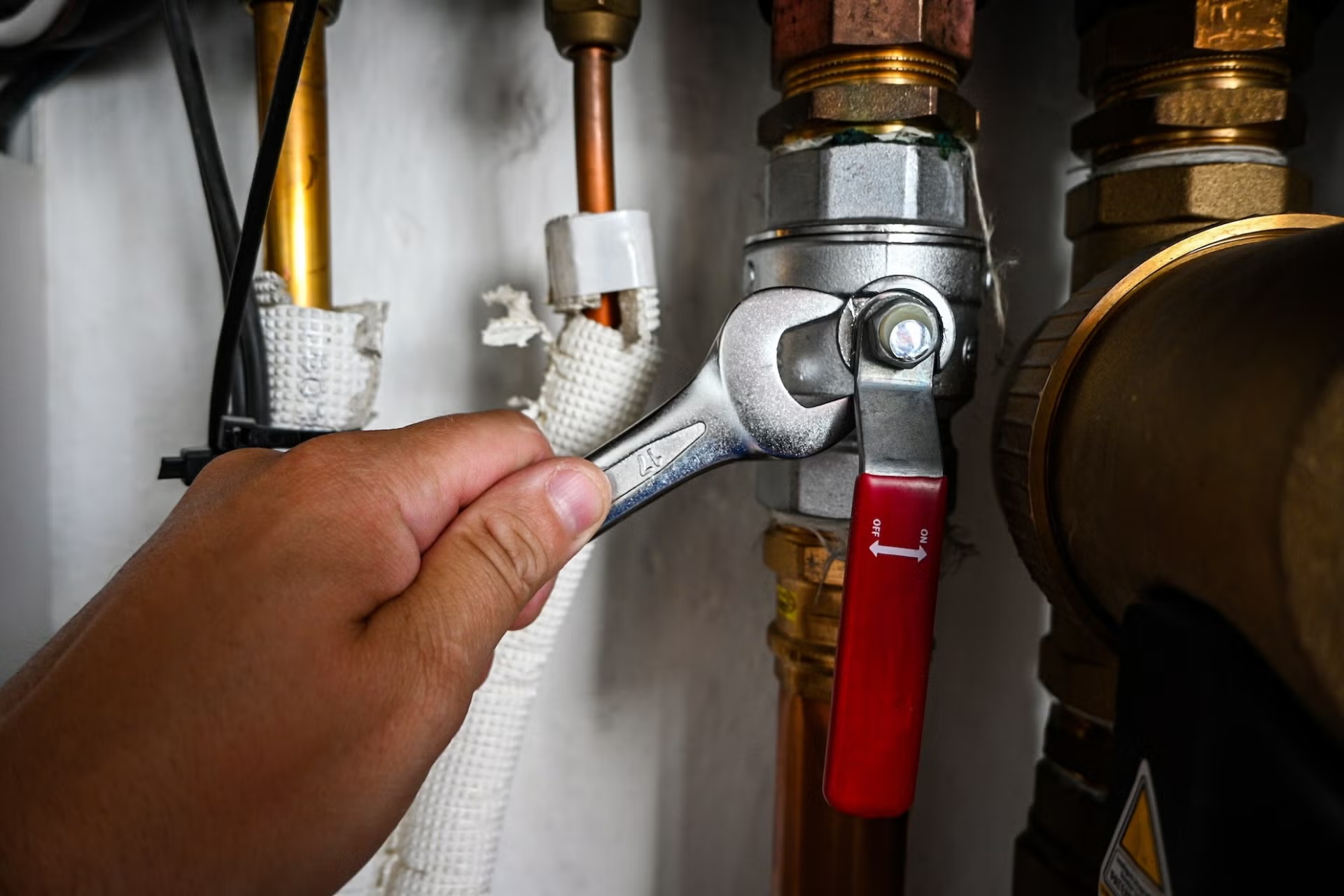
The foundation of any mold remediation effort is controlling moisture. Mold cannot thrive without water, so identifying the source of moisture is the first critical step. Homeowners should inspect for leaking pipes, roof damage, condensation on windows, and poor ventilation in bathrooms or kitchens. In some cases, hidden leaks inside walls or under flooring may require professional detection methods. By addressing these underlying issues, homeowners prevent mold from returning after remediation efforts.
Assessing the Severity of Mold Infestation
Not all mold problems are the same. Small patches of mold in non-porous surfaces like tiles can often be handled by homeowners, while widespread growth on structural elements requires professional intervention. Conducting a thorough assessment of affected areas is essential before beginning remediation. Homeowners should examine walls, ceilings, and hidden spaces like behind cabinets or under carpets. Using a flashlight, moisture meter, and even air quality testing can help determine the scope of the problem.
Preparing for Mold Remediation
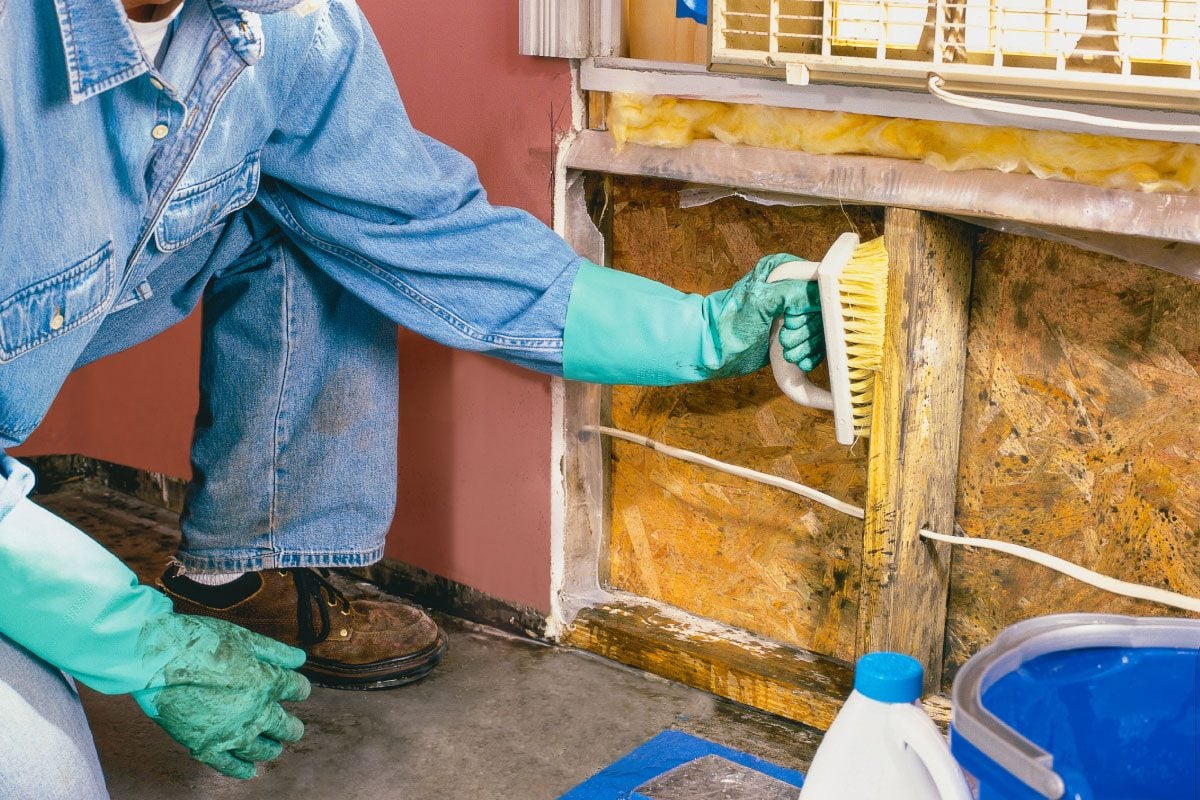
Proper preparation ensures safe and effective mold remediation. Homeowners should start by protecting themselves with personal protective equipment, including gloves, goggles, and a respirator mask designed to filter mold spores. Containment of the affected area is also critical to prevent spores from spreading throughout the home. This may involve sealing doors, using plastic sheeting, and turning off HVAC systems temporarily. Removing sensitive items like rugs, fabrics, and furniture from the contaminated area reduces the risk of secondary contamination.
Choosing the Right Cleaning Methods
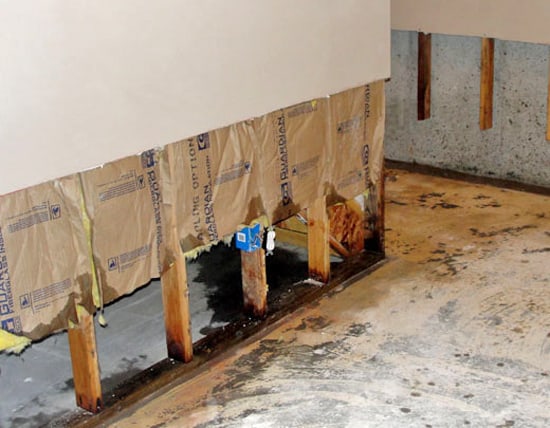
The choice of cleaning method depends on the type of surface and extent of mold growth. Non-porous surfaces such as glass, metal, and tiles can often be cleaned using detergent and water or specialized mold cleaners. Porous materials like drywall, carpet, and insulation may need to be removed and replaced, as mold can penetrate deep into the material. It’s important to avoid using bleach on porous surfaces, as it may not reach mold deep inside and can cause additional chemical hazards.
Utilizing Professional Mold Remediation Services
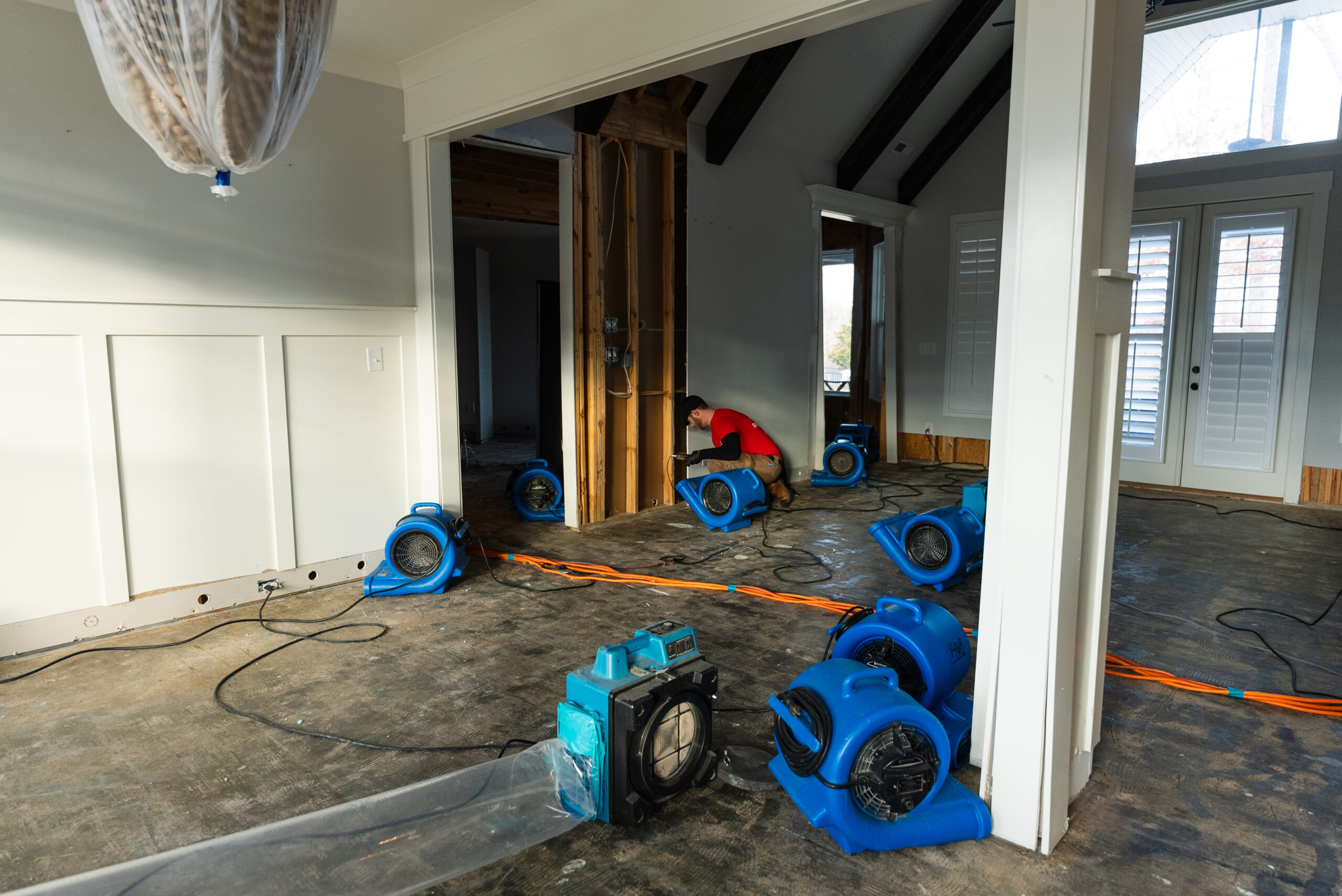
For large infestations or mold in hard-to-reach areas, professional mold remediation is often the safest option. Licensed professionals have access to advanced equipment like industrial vacuums, air scrubbers, and dehumidifiers, which can significantly speed up the remediation process. They also follow industry standards for mold removal, ensuring the affected areas are completely cleaned and treated to prevent recurrence. Hiring experts can save homeowners from the trial-and-error approach and reduce potential health risks.
Implementing Long-Term Moisture Control
Mold prevention is just as important as remediation. After eliminating mold, homeowners must implement strategies to control moisture and reduce future growth. Installing proper ventilation in bathrooms, kitchens, and attics helps keep humidity levels low. Using dehumidifiers in basements or other damp areas is also effective. Regularly inspecting plumbing, roofing, and exterior drainage ensures that leaks and water accumulation are addressed promptly. Consistent maintenance creates a mold-resistant environment over time.
Safe Disposal of Contaminated Materials
Handling mold-infested materials requires care. Homeowners should bag and seal contaminated items like drywall, insulation, and carpets before disposal to prevent spores from spreading. It’s advisable to follow local regulations for disposal of mold-contaminated waste. Cleaning tools and equipment thoroughly after use also reduces the risk of cross-contamination. Safe disposal practices protect both the household and the environment.
Monitoring and Follow-Up
Successful mold remediation doesn’t end with cleaning. Homeowners should monitor previously affected areas regularly for signs of moisture or new mold growth. Installing moisture meters or humidity sensors can help track conditions over time. Additionally, routine inspections, especially after heavy rain or plumbing repairs, provide early warning signs and allow homeowners to take corrective action before mold becomes a serious problem.
Educating Household Members
Awareness among family members or housemates is an often-overlooked aspect of mold remediation. Teaching everyone in the household about the importance of keeping spaces dry, promptly reporting leaks, and cleaning minor spills can significantly reduce mold growth. Simple habits like using exhaust fans, keeping windows open for ventilation, and regularly checking damp areas contribute to a healthier indoor environment.
Conclusion
Mold remediation is a multi-step process that requires careful planning, execution, and follow-up. By understanding the risks of mold, identifying moisture sources, using proper cleaning methods, and implementing preventive measures, homeowners can effectively protect their homes and health. Whether tackling a small patch or managing a larger infestation, these strategies provide a comprehensive approach to mold remediation. Consistent monitoring, maintenance, and awareness ensure that your home remains a safe and mold-free environment.
The key to successful mold remediation lies in combining immediate action with long-term prevention. By adopting these strategies, homeowners can confidently address mold issues and maintain a healthy, safe, and resilient living space.