
Replacing a water heater is an essential home maintenance task that ensures a consistent supply of hot water and improves energy efficiency. However, it is a project that many homeowners underestimate. Mistakes made during this process can lead to costly repairs, safety hazards, or a shorter lifespan for your new unit. Knowing what to avoid can save time, money, and frustration. This article explores the most common mistakes homeowners make when they decide to replace water heater and provides guidance on how to avoid them.
Ignoring Proper Sizing
One of the most frequent mistakes homeowners make is not choosing the right size water heater. A unit that is too small will struggle to meet your household’s hot water demands, leaving you with cold showers and frustrated family members. Conversely, an oversized water heater can lead to wasted energy and higher utility bills.
Before you replace water heater, consider the number of people in your household, your peak water usage times, and the types of appliances that rely on hot water. Tank water heaters are measured in gallons, while tankless units are measured by flow rate in gallons per minute (GPM). Consulting a professional or using sizing calculators can help ensure your new water heater matches your home’s needs.
Neglecting Energy Efficiency
Many homeowners focus solely on price and capacity when selecting a new water heater, overlooking energy efficiency. Older or inefficient models can significantly increase your energy bills over time. Today, there are water heaters with Energy Star ratings, high-efficiency gas models, and hybrid electric units that reduce energy consumption.
When planning to replace water heater, pay attention to the energy factor (EF) rating. Higher EF ratings indicate better efficiency and can result in long-term savings. Investing a little more upfront for a highly efficient model often pays off over the years in reduced energy costs.
Installing the Wrong Type of Water Heater
Another common pitfall is choosing a water heater that doesn’t suit your household’s lifestyle or plumbing setup. Traditional tank water heaters store hot water for later use, while tankless systems heat water on demand. Hybrid models combine aspects of both. Each type has advantages and limitations, including installation complexity, water pressure requirements, and maintenance needs.
Selecting the wrong type can lead to inadequate hot water supply or increased maintenance. Researching your options and consulting with a licensed plumber ensures that you choose the model that best fits your home’s needs.
Overlooking Local Building Codes and Permits
Many homeowners underestimate the importance of complying with local building codes and permit requirements. Water heater installation is subject to safety regulations, including proper venting, seismic strapping in earthquake-prone areas, and correct electrical or gas connections. Failing to obtain necessary permits or meet code requirements can result in fines, voided warranties, and even safety hazards.
Always check with your local building authority and hire licensed professionals when necessary to replace water heater. Compliance with codes ensures a safe and legal installation, protecting both your family and your investment.
Improper Installation
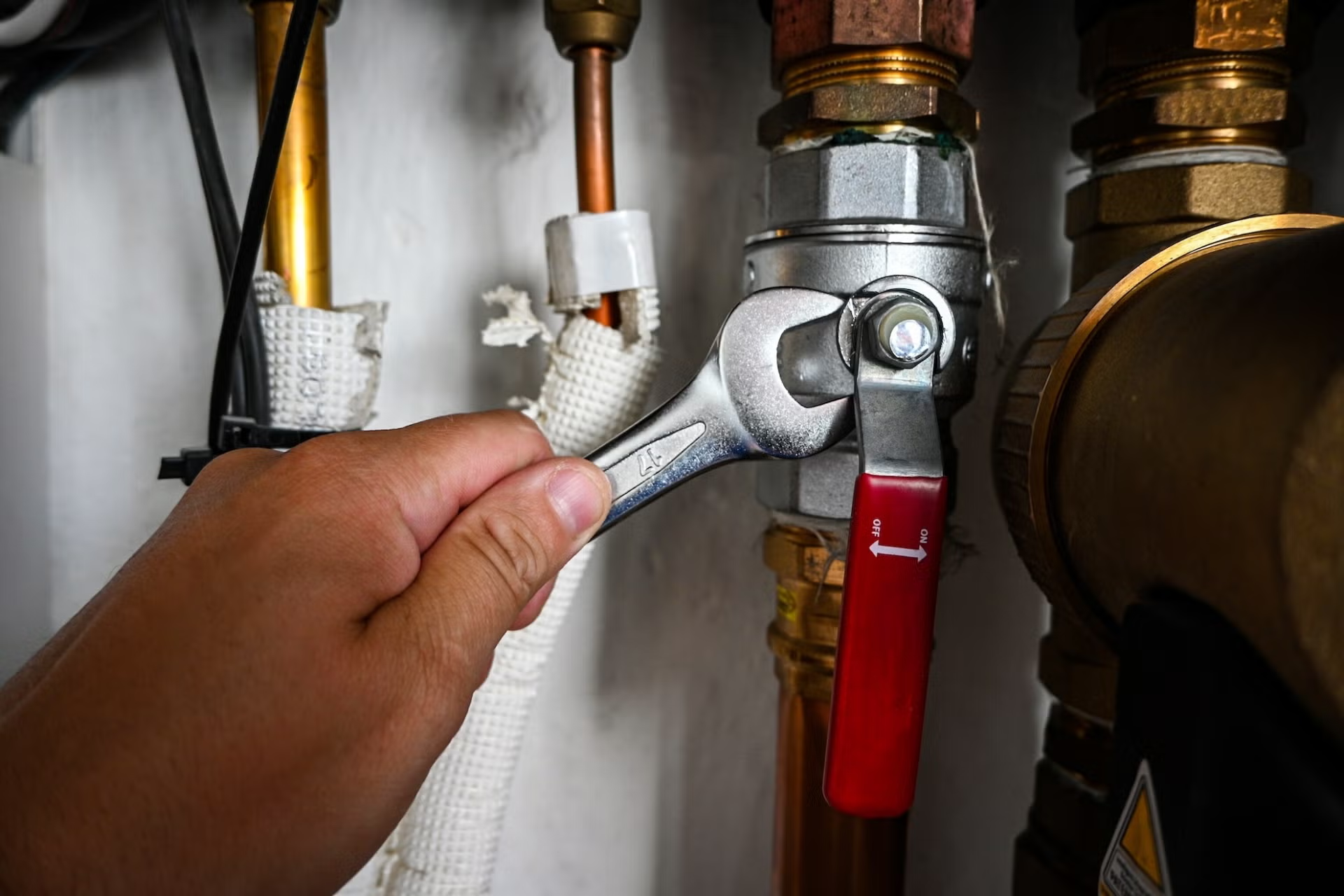
Even with the right water heater, poor installation can cause problems ranging from leaks and inefficient operation to complete system failure. Some homeowners attempt DIY installation without sufficient plumbing or electrical knowledge. Mistakes such as incorrect pipe connections, improper venting, or inadequate pressure relief valve installation can lead to serious safety risks, including flooding or gas leaks.
To avoid these issues, hire a licensed plumber or certified installer to replace water heater. Professional installation not only ensures correct setup but also protects your warranty and maximizes the system’s longevity.
Ignoring Maintenance Requirements
A new water heater is not a set-and-forget appliance. Failing to perform routine maintenance can shorten its lifespan and reduce efficiency. Common maintenance tasks include flushing the tank to remove sediment, inspecting the anode rod to prevent corrosion, checking pressure relief valves, and monitoring water pressure.
When you replace water heater, ask the installer for a maintenance schedule and follow it diligently. Regular upkeep helps prevent costly repairs and extends the life of your investment.
Not Considering Water Quality
Water quality can have a significant impact on your water heater’s performance. Hard water, which contains high levels of calcium and magnesium, can cause scale buildup in the tank or pipes. This buildup reduces efficiency, increases energy consumption, and can lead to premature failure.
If your home has hard water, consider installing a water softener or choosing a water heater model designed to handle hard water conditions. Addressing water quality issues before or during installation can save headaches and additional expenses later.
Skipping Safety Features
Safety features such as pressure relief valves, temperature limiters, and automatic shutoff mechanisms are critical in preventing accidents. Skipping these features to save money is a dangerous mistake. A malfunctioning water heater can result in scalding, explosions, or extensive water damage.
Always ensure your new unit includes all necessary safety components and that they are installed and tested properly. When in doubt, rely on a professional to ensure compliance with safety standards.
Failing to Factor in Long-Term Costs
While it can be tempting to choose the cheapest water heater available, focusing only on upfront costs can lead to higher long-term expenses. Low-quality units may have a shorter lifespan, higher energy consumption, and increased repair costs. Conversely, investing in a high-quality, energy-efficient model can result in significant savings over time.
When planning to replace water heater, consider factors such as energy efficiency, warranty coverage, durability, and potential maintenance costs. A well-chosen unit is an investment in both comfort and financial prudence.
Ignoring Warranty Details
Water heater warranties vary widely in terms of coverage, duration, and conditions. Some warranties only cover specific components, while others have strict installation requirements. Homeowners often overlook these details, leaving themselves unprotected in case of defects or malfunctions.
Before you replace water heater, read the warranty carefully. Make sure the installation complies with warranty requirements and keep all receipts and documentation for future reference. This ensures you can claim repairs or replacements if needed.
Not Planning for Future Needs
Lastly, homeowners sometimes select a water heater based on current needs without considering future changes. A growing family, home renovations, or increased appliance usage can strain a system that was adequate at the time of purchase. Planning for future hot water demand can prevent the need for another replacement in a few years.
Choose a unit with slightly higher capacity or flexibility to accommodate your evolving household needs. This foresight reduces the likelihood of repeated installations and inconvenience.
Conclusion
Replacing a water heater is more than just swapping an old unit for a new one. Avoiding common mistakes—from incorrect sizing and poor installation to neglecting maintenance and safety—ensures your new water heater functions efficiently and lasts for years. Homeowners should consider energy efficiency, local codes, water quality, and long-term needs when selecting and installing a unit. Hiring licensed professionals, following maintenance schedules, and understanding warranty terms further protect your investment. By carefully planning and avoiding these pitfalls, you can enjoy a reliable supply of hot water, lower energy bills, and peace of mind in your home. Proper attention to detail today prevents costly headaches tomorrow when you replace water heater.